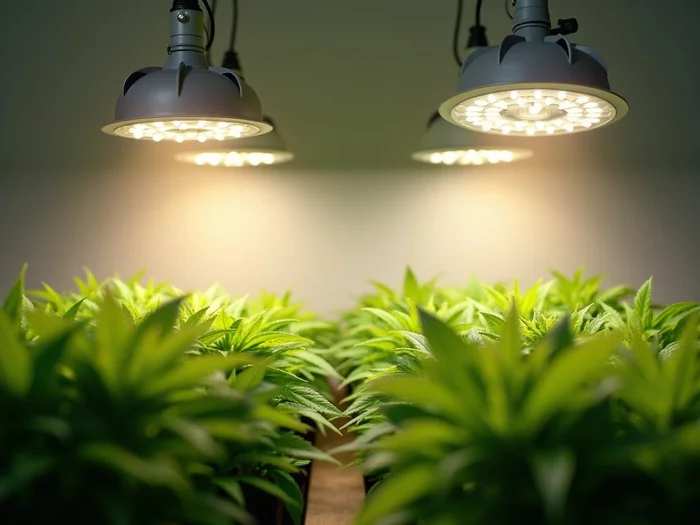
Efficiency & Cost Savings
50-60%
LED Energy Savings
50,000+
LED Lifespan (Hours)
LEDs offer significant energy savings over HPS, reducing electricity bills and replacement frequency due to their long lifespan.
Posted on: 2025-10-12
By: Elena Cross
Are you torn between LED and HPS grow lights for your indoor garden? The right choice can revolutionize your plants' growth and significantly lower your energy bills. Let’s explore the essential insights that will guide you in making the best lighting decision for your gardening needs.
Understanding the core differences between LED and HPS grow lights can significantly impact your indoor gardening success. Here is a comparison of their key features and performance aspects.
50-60%
LED Energy Savings
50,000+
LED Lifespan (Hours)
LEDs offer significant energy savings over HPS, reducing electricity bills and replacement frequency due to their long lifespan.
LED: Customizable spectrum, minimal heat
HPS: Warm, yellowish spectrum, high heat
LEDs offer spectrum flexibility and low heat, ideal for growth stages. HPS excels in flowering but requires heat management.
While LEDs may cost more upfront, their energy efficiency and longer lifespan lead to significant long-term savings.
The best choice depends on experience and plant types. LEDs are great for beginners, while HPS suits experienced growers targeting specific crops.
When it comes to choosing the right lighting for your indoor garden, understanding the differences between LED and HPS grow lights is essential. Both options offer unique benefits, but the choice you make can significantly impact your plants' growth and your energy bills. Let’s dive into what sets these two lighting systems apart!
As an indoor gardening enthusiast myself, I've spent countless hours researching and testing various lighting options. In this section, I’ll share my insights on the features of LED and HPS lights, including their operational costs, light spectra, and more!
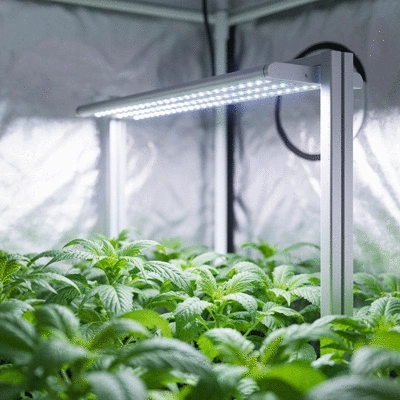
LED grow lights use light-emitting diodes to produce light specifically tailored for plant growth. They are known for their energy efficiency and long lifespan, making them an appealing choice for gardeners. With the ability to customize the light spectrum, LEDs can provide the ideal wavelengths for each growth stage of your plants, a technique often explored in horticultural research, such as that conducted by the USDA Horticultural Crops Research Laboratory.
These lights generate minimal heat, allowing for closer placement to plants without the risk of heat damage. This is particularly beneficial for beginner gardeners who may not yet have mastered temperature control in their grow space!
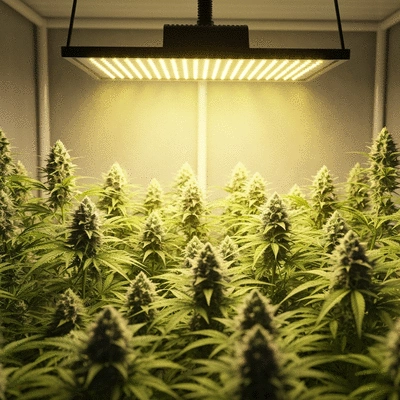
HPS (High-Pressure Sodium) grow lights have been a staple in indoor gardening for years. They emit a warm, yellowish light that promotes flowering and fruiting in plants. However, they operate at a higher temperature than LEDs, which can lead to heat issues if not managed properly. Understanding the distinctions between LED and HPS lighting is crucial, as highlighted in resources like the Purdue University Department of Horticulture and Landscape Architecture's comparison.
While HPS lights are known for producing high yields, their energy consumption can lead to increased operational costs over time. Many growers opt for HPS due to their proven track record in commercial settings, but they often require additional cooling systems to maintain an optimal environment.
One of the most significant advantages of LED grow lights is their ability to save energy. They typically consume much less power while providing comparable light output to HPS systems. This translates into lower electricity bills, making LEDs an economical choice for long-term use. For more insights on maximizing energy efficiency in greenhouse grow lighting, the U.S. Department of Energy offers valuable tips.
In my experience, transitioning to LED not only reduced my energy costs but also allowed me to invest more in quality seeds and nutrients for my plants!
To better understand the financial implications, consider the initial cost of purchasing each system versus the long-term savings. While LED fixtures can have a higher upfront cost, their durability and energy efficiency often result in lower overall costs in just a few grow cycles.
Additionally, less frequent bulb replacements and reduced cooling costs for LEDs can further enhance your savings. I’ve seen firsthand how these factors can benefit a hobby gardener's budget!
It’s crucial to weigh both initial and operating costs when choosing between LED and HPS. Below is a quick breakdown:
By keeping these factors in mind, you can make a more informed decision that aligns with your indoor gardening goals!
One of the standout features of LED grow lights is their customizable light spectrum. This allows you to adjust the wavelengths emitted based on the specific needs of your plants during their various growth stages, whether they are seedlings, vegetative, or flowering. This flexibility is a game-changer for indoor gardeners!
In my own gardening journey, I’ve noticed how providing the right light spectrum at different stages has enhanced my plants' growth and yield. It's fascinating to see the difference it can make!
While HPS lights may not offer the same level of customization, they are particularly effective for flowering plants. The warm spectrum they produce stimulates flowering and fruiting, making them a popular choice for growers targeting specific crops, such as tomatoes and peppers.
However, keep in mind that relying solely on HPS may limit your ability to support seedlings and vegetative growth effectively. So, it's important to consider the full lifecycle of your plants when making your choice.
PAR refers to the range of light wavelengths that plants use for photosynthesis. Both LEDs and HPS lights can offer adequate PAR, but LEDs tend to do so more efficiently. This means you can achieve better growth with less energy when using LED lights.
Understanding the importance of PAR can help you better plan your indoor garden setup, ensuring that your plants receive the optimal light they require for healthy growth!
When choosing between LED and HPS grow lights, consider investing in a light meter. This tool can help you measure the light intensity and ensure that your plants are receiving the optimal amount of light for their growth stages. By using a light meter, you can fine-tune your setup, leading to healthier plants and potentially larger yields!
As we wrap up our exploration of LED and HPS grow lights, it’s essential to understand that the best choice for your indoor garden truly depends on your unique needs and preferences. By considering various factors, you can make a decision that aligns with your gardening goals and helps you achieve the best results. So, let’s dive into some key aspects to keep in mind when selecting your lighting system!
When it comes to selecting between LED and HPS grow lights, one size does not fit all! Here are some critical factors to evaluate before making your investment:
By carefully analyzing these aspects, you can tailor your choice to meet your individual garden needs. For instance, if you're a beginner and focused on leafy greens, a high-quality LED light might be the best fit, providing flexibility and less heat output!
Your experience level can significantly influence your decision. Here are some recommendations based on different scenarios:
By aligning your choice with your gardening experience, you’ll find the setup that enhances your indoor gardening journey. Remember, selecting the right lighting can be a game-changer for your plant health!
Light coverage is a crucial element that shouldn’t be overlooked. When selecting your grow lights, consider the following:
With the right light coverage, your indoor garden can flourish, leading to bountiful harvests. At Grow Tent Insider, we always emphasize the importance of proper lighting setup for maximizing plant growth!
The indoor gardening community is an invaluable resource for learning and growing together. Engaging with others can provide you with fresh insights and ideas. Let’s explore how you can tap into this supportive network!
I'm always eager to hear from fellow gardeners! What have your experiences been with LED and HPS grow lights? Sharing your successes and challenges can not only help you but also inspire others in their gardening journeys.
Consider joining online forums or discussion groups focused on indoor gardening. These platforms provide a space to ask questions and share knowledge. Here are some popular ones:
Engaging with these communities can enhance your understanding of grow lights and help you troubleshoot any issues you might encounter!
User reviews offer a treasure trove of information! Don’t hesitate to check out reviews on products you're considering. Here’s what to look for:
By diving into user experiences, you can make a more informed decision and choose a lighting system that suits your indoor gardening aspirations. I always remind fellow gardeners to learn from each other’s journeys!
Here is a quick recap of the important points discussed in the article: