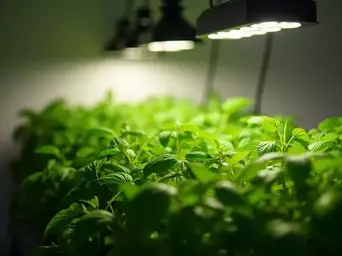
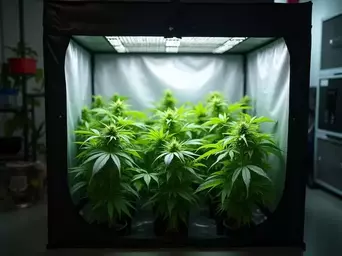
Effective lighting can elevate your indoor garden to new heights—are you ready to unlock its full potential? By mastering advanced grow lighting techniques, you can significantly enhance plant health and yield. Let’s explore what you’ll learn!
What You Will Learn
How to customize light spectrums to meet the specific needs of your plants at various growth stages.
The importance of manipulating light cycles to enhance growth rates and trigger flowering in plants.
Effective light placement strategies that ensure even coverage and maximize penetration for robust growth.
The advantages of utilizing adjustable LED systems for smarter, energy-efficient lighting solutions.
Best practices for continuous learning and experimentation to keep improving your indoor gardening techniques.
Key Strategies for Advanced Grow Lighting
Unlock your indoor garden's full potential with these essential techniques for optimizing light spectrums, cycles, and placement.
Technique 1Light Spectrum Customization
Tailor light spectrum (red, blue, full-spectrum) to different growth stages for optimal plant development.
Growth Stages
Technique 2Light Cycle Manipulation
Adjust light duration and intensity to influence growth rates and trigger flowering cycles effectively.
Photoperiod Control
Technique 3Strategic Light Placement
Position lights for even coverage and maximum penetration across the plant canopy, preventing burn.
Even Coverage
Technique 4Energy Efficiency & Tech
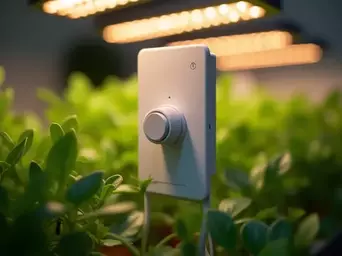
Embrace adjustable LEDs and monitoring to optimize energy use and smart lighting solutions.
LED Benefits
Understanding Advanced Grow Lighting Techniques for Maximum Yields
When it comes to maximizing your indoor garden's potential, understanding advanced grow lighting techniques is key. With the right lighting setup, you can significantly enhance plant growth, health, and ultimately, your yields. But what exactly are these advanced techniques? Let's dive in!
Advanced grow lighting techniques involve using specific light spectrums, adjusting light cycles, and optimizing placement to cater to your plants' unique needs. This means not just throwing any old light above your plants, but rather creating a targeted approach that considers their growth stages and specific requirements. By mastering these techniques, you can turn your indoor garden into a thriving ecosystem! For more in-depth scientific insights into how different light spectra affect plant growth, you can refer to research on the Frontiers in Plant Science journal.
What Are Advanced Grow Lighting Techniques?
Advanced grow lighting techniques encompass a variety of practices designed to maximize plant growth by using different light spectrums, adjusting light intensity, and managing photoperiods effectively. Here are some key aspects:
Light Spectrum Customization: Tailoring the light spectrum to match the needs of your plants during different growth stages.
Light Cycle Manipulation: Adjusting the duration and intensity of light exposure to influence growth rates and flowering.
Strategic Light Placement: Positioning lights to ensure even coverage and maximum penetration across the plant canopy.
By implementing these techniques, you can create an optimal environment that encourages robust growth and vibrant health in your plants.
Why Effective Lighting Matters for Plant Health and Yield
Effective lighting plays a crucial role in the overall health of your plants. If you've ever wondered why some indoor gardens seem to flourish while others struggle, often it comes down to their lighting setup. Here’s why it matters:
Photosynthesis Efficiency: The right light spectrum ensures your plants can absorb energy efficiently, leading to faster growth and higher yields.
Preventing Light Burn: Proper light placement and intensity help avoid negative effects like light burn, which can stunt growth.
Encouraging Flowering: Adjusting light cycles can trigger flowering in plants, essential for fruiting species like tomatoes and cannabis.
Ultimately, understanding and applying effective lighting strategies can make a world of difference in your indoor gardening success. The advancements in horticultural lighting, particularly with LED technology, continue to shape industry practices, as highlighted in reports like the State of the Cannabis Lighting Market Research.
Interactive Poll: Your Experience Matters!
We'd love to hear about your experiences with advanced grow lighting techniques! What has been your biggest challenge or success? Share your thoughts below:
Frequently Asked Questions About Advanced Grow Lighting
What are the primary advanced grow lighting techniques?
The primary techniques include customizing light spectrums for different growth stages, manipulating light cycles to influence growth and flowering, and strategic light placement for even coverage and maximum penetration.
How does light spectrum customization benefit plants?
Customizing the light spectrum (e.g., using red, blue, or full-spectrum light) allows you to provide the specific wavelengths plants need most at various stages of their development, optimizing photosynthesis and overall growth.
Why is light cycle manipulation important?
Adjusting the duration and intensity of light exposure (photoperiod control) can significantly influence plant growth rates, trigger flowering in specific species, and prevent premature senescence, leading to better yields.
What is strategic light placement and why is it crucial?
Strategic light placement involves positioning grow lights to ensure uniform light distribution across the plant canopy and maximum light penetration to lower leaves, preventing hot spots, light burn, and promoting robust growth throughout the plant.
What are the benefits of using adjustable LED systems?
Adjustable LED systems offer significant advantages by allowing growers to fine-tune light intensity and spectrum, leading to optimized energy use, reduced electricity costs, and the ability to adapt lighting to the precise needs of plants as they grow.
How can continuous learning and experimentation improve my indoor gardening?
Continuous learning and experimentation are vital because indoor gardening is dynamic. Trying new techniques, monitoring results, and adapting your strategies based on new information or your plants' responses help you refine your methods, overcome challenges, and achieve consistently better results.
Summarizing Key Takeaways for Successful Advanced Grow Lighting
As we wrap up our discussion on advanced grow lighting techniques, it's crucial to highlight the key strategies that can truly elevate your indoor gardening efforts. By understanding the various aspects of lighting—from spectrum optimization to placement techniques—you can create an environment where your plants thrive. Here’s a quick recap of the techniques that can help you maximize your yields:
Optimize light spectrum for each growth stage, focusing on red, blue, and full-spectrum light.
Utilize strategic light placement to ensure even coverage throughout your grow area.
Implement effective light cycling and photoperiod control to boost growth and flowering.
Embrace technology with adjustable LED systems and real-time monitoring for smarter lighting solutions.
Evaluate energy efficiency by comparing LED technology with traditional lighting.
These strategies are not just theoretical; they are backed by real-world applications and feedback from fellow indoor gardeners. As you implement these techniques, remember that the journey is just as important as the destination. Continuous learning and adaptation are key to achieving your gardening goals! Further insights into plant responses to light can be found in scientific literature, such as articles published by PMC NCBI.
Importance of Continuous Learning and Experimentation
One of the most rewarding aspects of indoor gardening is that it encourages you to grow—not just your plants, but your knowledge too! Experimentation with different lighting techniques can lead to unexpected breakthroughs. Don’t hesitate to try new methods based on your readings or experiences shared by other growers. The more you learn, the better equipped you will be to tackle any challenges that arise. Here are some practical tips for ongoing learning:
Follow reputable gardening blogs and communities, like Grow Tent Insider, for fresh insights and tips.
Attend local gardening workshops or webinars to engage with experts and fellow hobbyists.
Keep a journal of your lighting experiments, noting what works and what doesn’t.
Your indoor garden's success hinges on your willingness to adapt and grow along with it. Remember, every grower's journey is unique, and there’s always something new to discover!
Next Steps for Growers: Implementing Advanced Lighting Strategies
Evaluating Your Current Setup: Where to Start?
Before diving into advanced lighting strategies, it's wise to take a step back and assess your current setup. Ask yourself: What are my plants currently lacking? You may find that identifying specific areas for improvement can guide your next steps. Here’s how to effectively evaluate your grow setup:
Check the type of lighting you’re using—are they suitable for the plants you’re growing?
Observe your plants’ health and growth patterns to identify any signs of light deficiency or excess.
Measure the distance between your lights and plants to ensure optimal coverage and prevent light burn.
Once you've gathered these insights, you’ll be better prepared to implement changes that enhance your indoor gardening experience!
Recommended Resources for Further Learning and Growth
As you embark on this journey of implementing advanced lighting strategies, it’s essential to equip yourself with the right resources. We recommend checking out the following materials:
Grow Tent Insider - Our website is filled with in-depth articles and guides on grow lighting and equipment.
Books on horticulture and indoor gardening techniques that focus on lighting optimization.
YouTube channels dedicated to indoor gardening—visual tutorials can be extremely helpful!
By leveraging these resources, you’ll not only enhance your understanding of grow lighting but also increase your confidence in making informed decisions. Remember, the more you learn, the more capable you become in creating a thriving indoor garden!
Recap of Key Points
Here is a quick recap of the important points discussed in the article:
Optimize light spectrum for each growth stage, focusing on red, blue, and full-spectrum light.
Utilize strategic light placement to ensure even coverage throughout your grow area.
Implement effective light cycling and photoperiod control to boost growth and flowering.
Embrace technology with adjustable LED systems and real-time monitoring for smarter lighting solutions.
Evaluate energy efficiency by comparing LED technology with traditional lighting.
2025-10-12
Beginner's Grow Tent Setup Guide
Are you ready to transform your indoor gardening experience? With a grow tent, you can cultivate a t
2025-10-12
Setting Up Your First Grow Tent
Choosing to dive into indoor gardening can be a rewarding experience, but are you equipped with the
2025-10-29
Adjusting Grow Light Intensity
Did you know that adjusting the intensity of your grow lights can significantly impact the health an