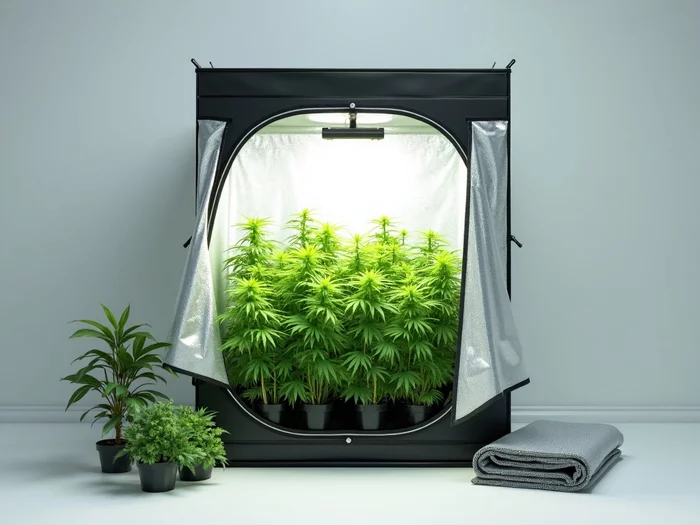
Grow Tent Material Guide


Best Grow Tent Materials Explained: Durability, Light Blocking, and Price Comparisons

Posted on: 2025-09-23
By: Elena Cross


What’s the secret to a successful indoor garden? It starts with understanding the materials that house your plants. Selecting the right grow tent materials can significantly affect your gardening experience. Dive into the basics that every indoor gardening enthusiast should know!

What You Will Learn

  • Fabric Types Matter: Choosing between 600D and 1680D fabrics can impact durability and light reflection in your grow tent.
  • Frame Choices: Steel frames provide superior stability, while aluminum frames are lightweight and easier to handle.
  • Material Advantages: Canvas offers durability, PVC is waterproof but less breathable, and nylon is lightweight but may lack durability.
  • Durability Factors: Thicker fabrics, strong frames, and UV resistance are crucial for ensuring the longevity of your grow tent.
  • Reflectivity Counts: Look for tents with reflective Mylar lining to maximize light efficiency for your plants.

Overview of Grow Tent Material Comparisons

An in-depth look at critical grow tent components, comparing fabric types, frame materials, and overall durability factors to help you make an informed decision.

Fabric Denier Comparison

600D:
Good
1680D:
Superior

Higher denier means thicker, more durable fabric with better light reflection.

Frame Material Pros & Cons

Steel Frames
  • Heavier & Stronger
  • Superior Stability
Aluminum Frames
  • Lighter & Rust-Resistant
  • Easier Setup

Choose based on stability needs vs. ease of handling.

Material Durability Factors

Fabric Thickness (Denier)

Frame Strength

Moisture & UV Resistance

Key elements for a long-lasting and protective grow tent.

Additional Features for Optimal Use

Effective Ventilation Options

Zero Light Leakage

Easy & Quick Setup

Enhance plant health and growing experience.

Understanding Grow Tent Materials: An Overview of Durability and Functionality

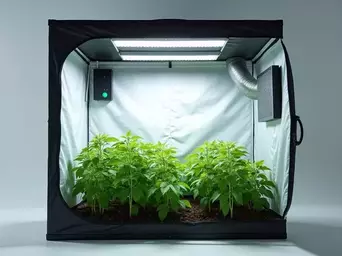
As an indoor gardening enthusiast, I've learned that choosing the right grow tent materials can make all the difference in creating a thriving indoor garden. With so many options available, it's essential to understand the durability and functionality of the materials you'll encounter. Let's delve into the most common materials used in grow tents, so you can make an informed decision for your gardening needs!

When selecting a grow tent, it’s crucial to consider the fabric and frame materials. The right combination will ensure your plants have a safe and nurturing environment. A recent industry analysis on grow tents highlights the market's growth, indicating the increasing availability and variety of materials. Below, I’ll break down the key materials typically used in grow tents and their respective features.

What are the Most Common Grow Tent Materials?

There are a few primary materials that dominate the grow tent market. Understanding these will help you evaluate which options suit your gardening style best.

  • Fabric Options: The fabric used in grow tents plays a significant role in durability and light reflection.
  • Frame Structures: Choosing between steel and aluminum can affect the overall stability and weight of your tent.
  • Material Types: Canvas, PVC, and nylon each come with their unique advantages and disadvantages.

Let’s explore these materials in more detail!

Exploring Fabric Options: 600D vs. 1680D

When it comes to fabric options, you might come across 600D and 1680D materials. The "D" stands for denier, which measures the thickness of the fabric. A higher denier indicates a thicker and more durable material. Research into novel textile materials continues to improve options for controlled environments.

  • 600D Fabric: This is typically a good choice for beginner gardeners as it offers decent durability at a more affordable price point.
  • 1680D Fabric: This thicker material is ideal for serious gardeners who need extra durability and light reflection.

While both fabrics have their merits, investing in a tent made from 1680D fabric might save you money in the long run due to its increased durability.

Frame Materials: Steel vs. Aluminum Structures

Now, let’s shift our focus to the frames. The structural integrity of your grow tent largely depends on the materials used in the frame. The two most common materials are steel and aluminum.

  • Steel Frames: These frames are typically heavier but offer superior strength and stability, making them ideal for larger tents.
  • Aluminum Frames: Lighter and often more rust-resistant, aluminum frames are easier to handle and set up.

Ultimately, the choice between steel and aluminum comes down to your specific needs and preferences in your indoor garden setup.

Canvas, PVC, and Nylon: Pros and Cons for Grow Tents

As you explore various grow tent options, you might encounter tents made from different types of materials like canvas, PVC, and nylon. Each material presents its own set of advantages and challenges.

  • Canvas: Known for its durability and breathability, canvas tents can also be more expensive.
  • PVC: These tents are often waterproof and easy to clean but may not provide the same level of breathability as canvas.
  • Nylon: Lightweight and flexible, nylon tents are easy to set up but may lack the durability found in canvas or PVC.

When selecting a tent, think about the conditions in your indoor garden. Are you looking for something long-lasting, or is ease of setup your priority? Understanding the trade-offs will guide you toward the best choice!

Evaluating Durability: What Should You Expect?

Now that we've covered the materials, let's talk about durability. A grow tent’s lifespan is significantly influenced by its fabric thickness, frame strength, and resistance to environmental factors. Here’s what to keep in mind:

  • Fabric Thickness: Thicker fabrics typically last longer, providing better protection for your plants.
  • Frame Strength: A sturdy frame enhances stability and can better withstand the weight of your grow lights and ventilation systems.
  • Moisture and UV Resistance: Fabrics that resist moisture and UV rays are essential for maintaining a long-lasting grow tent.

By considering these durability factors, you can ensure that your chosen grow tent will serve you well throughout your indoor gardening journey!

Fabric Thickness and Its Impact on Longevity

The thickness of the fabric used in your grow tent is one of the most critical indicators of its longevity. A thicker fabric generally means it can withstand wear and tear better. As someone who has seen the impact of fabric quality firsthand, I can tell you that investing in a tent with a higher denier can save you time and money in the long run.

How Frame Strength Affects Overall Stability

Frame strength is another key factor that affects how stable your grow tent will be. A strong frame can support additional weight from lights, fans, and other equipment without bending or collapsing. This stability is crucial for creating a safe environment for your plants to thrive!

Understanding Moisture and UV Resistance in Grow Tent Fabrics

Lastly, it’s essential to consider moisture and UV resistance when selecting a grow tent. Fabrics that offer these features help protect your plants from harmful elements and ensure they grow in a healthy environment. In my experience, tents with UV-resistant materials not only last longer but also help maintain a consistent light environment for your plants. The importance of environmental control in plant growth is further elucidated by recent findings in plant sciences.

Frequently Asked Questions About Grow Tent Materials

Q1: What is "denier" and why is it important for grow tent fabric?
A1: "Denier" refers to the thickness and density of the fabric. A higher denier (e.g., 1680D) indicates a thicker, more durable fabric that offers better light blocking and longevity compared to a lower denier (e.g., 600D).
Q2: Should I choose a steel or aluminum frame for my grow tent?
A2: The choice depends on your needs. Steel frames offer superior strength and stability, making them ideal for larger tents or heavy equipment. Aluminum frames are lighter, rust-resistant, and easier to set up, suitable for smaller or more portable setups.
Q3: What are the main advantages and disadvantages of canvas, PVC, and nylon grow tents?
A3: Canvas tents are durable and breathable but can be more expensive. PVC tents are waterproof and easy to clean but may lack breathability. Nylon tents are lightweight and flexible, making them easy to set up, but they might not be as durable as canvas or PVC.
Q4: How important is light reflectivity in a grow tent?
A4: Light reflectivity is crucial for maximizing light efficiency. Tents with reflective Mylar lining help distribute light evenly, ensuring all parts of your plants receive adequate illumination for optimal growth.
Q5: What factors contribute to the overall durability of a grow tent?
A5: Key durability factors include fabric thickness (denier), frame strength (steel vs. aluminum), and resistance to environmental elements like moisture and UV rays. Considering these aspects ensures a long-lasting and protective environment for your plants.

We Want to Hear From You!

As you consider the materials for your grow tent, what factors are most important to you? Is it durability, ease of setup, or perhaps the cost? Share your thoughts below:

Making an Informed Choice: Key Takeaways on Grow Tent Materials

As we wrap up our exploration of grow tent materials, it’s essential to summarize the most important points. Understanding the balance between durability, light blocking efficiency, and cost is crucial in making the right choice for your indoor garden. With so many options available, let's break down the key features to keep in mind!

Summarizing Durability, Light Blocking, and Price Factors

When selecting a grow tent, you should consider several factors that can significantly impact your gardening success. Here’s a comprehensive list of key features to consider:

  • Fabric Type: Look for durable materials like 600D or 1680D to ensure longevity.
  • Frame Strength: Opt for steel frames for added stability, especially if you plan to hang heavy lights.
  • Light Reflectivity: Consider tents with reflective Mylar lining to maximize light efficiency for your plants.
  • Price Point: Balance your budget with the features you need; don’t compromise on quality!

These considerations will help you narrow down your options and choose a tent that meets both your needs and budget. A well-selected grow tent can make all the difference in your indoor gardening journey!

Key Features to Consider When Selecting Grow Tent Materials

Beyond the basic materials, there are finer details that can enhance your experience with a grow tent. Focus on:

  • Ventilation Options: Proper airflow is essential for plant health, so look for tents with multiple vents.
  • Light Leakage: Ensure that the tent offers effective light blocking to prevent energy waste and maintain optimal growth conditions.
  • Ease of Setup: Some tents come with user-friendly designs that simplify installation, making it quicker to get growing.

By keeping these features in mind, you can create an environment that truly supports your gardening goals!

Balancing Quality with Budget: Final Thoughts

Finding the perfect grow tent doesn’t have to break the bank! With options ranging from budget-friendly to premium brands, it’s all about understanding your specific needs. At Grow Tent Insider, we believe that investing in a quality tent pays off in the long run.

Remember to weigh the cost versus the benefits of each model. Sometimes, spending a little extra can provide you with durability and features that enhance your gardening experience. Choose wisely, and you’ll be rewarded with a thriving indoor garden!

Engaging with Your Grow Tent: Tips for Optimal Use

Now that you’ve chosen your grow tent, let’s talk about how to maximize its performance! I’ve gathered some essential tips to help you get started:

Maximizing Performance with the Right Setup

Getting the most out of your grow tent setup involves careful planning. Here are some strategies:

  • Positioning: Place your tent in a well-ventilated area to maintain optimal temperatures.
  • Lighting: Invest in high-quality grow lights that can be adjusted as your plants grow.
  • Humidity Control: Use humidifiers or dehumidifiers to manage moisture levels effectively.

These steps will help create a thriving environment for your plants, leading to a bountiful harvest!

Invite Feedback: Share Your Experiences with Different Brands

I love hearing from fellow gardening enthusiasts! If you’ve tried various brands, consider sharing your experiences. Whether it's a specific tent that worked wonders or tips on what to avoid, your insights can help others make informed choices.

Engaging with the community not only broadens your understanding but also allows you to discover new techniques and products that enhance your gardening journey!

Understanding Maintenance and Setup Instructions for Longevity

Proper maintenance of your grow tent can extend its life significantly. Always follow the setup instructions provided by the manufacturer for optimal results. Regularly check for any wear and tear, especially on zippers and seams.

Additionally, keeping the interior clean can prevent mold and pests from taking hold. A little bit of routine care goes a long way towards ensuring your indoor garden flourishes!

Recap of Key Points

Here is a quick recap of the important points discussed in the article:
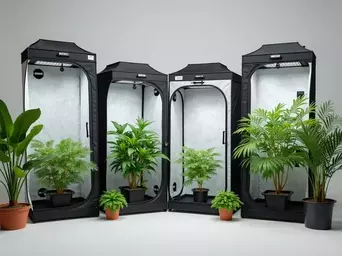
  • Fabric Options: Choose between 600D for beginners or 1680D for enhanced durability and light reflection.
  • Frame Materials: Steel frames offer stability for larger setups, while aluminum frames are lightweight and rust-resistant.
  • Material Types: Canvas is durable and breathable, PVC is waterproof, and nylon is lightweight but less durable.
  • Durability Factors: Consider fabric thickness, frame strength, and moisture/UV resistance for longevity.
  • Light Reflectivity: Look for tents with reflective Mylar lining to maximize light efficiency.
  • Ventilation: Proper airflow is essential; opt for tents with multiple vents for healthy plant growth.
Grow Tent Brand Comparison Guide Comparing Popular Grow Tent Brands: Gorilla, Vivosun, Mars Hydro, and Secret Jardin As the trend of indoor gardening flourishes, understanding how to choose the right grow tent is esse
Save Power with Smart Ventilation Energy-Efficient Ventilation Options to Reduce Grow Tent Power Use Did you know that efficient ventilation can significantly reduce your energy bills while promoting h
Maximizing Yields with Grow Lights Advanced Grow Lighting Techniques: Tips for Maximizing Yields Effective lighting can elevate your indoor garden to new heights—are you ready to unlock its full

Subscribe & Share
Recent Posts
Comparing Popular Grow Tent Brands: Gorilla, Vivosun, Mars Hydro, and Secret Jardin Grow Tent Brand Comparison Guide

As the trend of indoor gardening flourishes, under

Step-by-Step Buyer’s Guide for 2x2, 4x4, and 8x8 Grow Tents by Budget Budget-Friendly Grow Tent Guide

As you embark on your indoor gardening journey, un

Affordable Grow Tent Kits vs. Custom Setups: What’s Best for Your First Grow? Grow Tent Kits vs. Custom Setups

As you embark on your indoor gardening journey, ha

Grow Tent Insider Tips for Your Indoor Garden