Understanding Different Grow Tents


Types of Grow Tents Explained

Posted on: 2025-10-12
By: Elena Cross


Did you know that the right grow tent can significantly impact your indoor gardening success? Choosing the right one could mean the difference between vibrant plants and lackluster crops. In this overview, we'll explore essential insights to help you navigate your grow tent options confidently.

What You Will Learn

  • Grow tents create a controlled environment for plant growth by managing temperature, humidity, and light exposure.
  • Choosing the right size for your grow tent is crucial to avoid stunted growth or wasted energy.
  • Key features of effective grow tents include durable materials, reflective interiors, and good ventilation systems.
  • Maintaining environmental factors like temperature, humidity, and airflow is vital for plant health and yield.

Managing Grow Tent Environments for Optimal Growth

Achieving a thriving indoor garden requires careful management of key environmental factors. The visual below highlights the critical elements—temperature, humidity, and airflow—and the techniques to control them for healthier plants.

Critical Factor 1
Temperature Regulation

  • Ideal Range: 70°F - 85°F
  • Thermostats & Hygrometers
  • Heaters for cold periods
  • Fans & AC for hot days

Critical Factor 2
Humidity Control

  • Ideal Range: 40% - 60%
  • Thermostats & Hygrometers
  • Humidifiers (increase moisture)
  • Dehumidifiers (reduce moisture)

Critical Factor 3
Airflow Management

  • Benefits: Prevents mold, pests
  • Oscillating fans
  • Proper plant spacing
  • Intake & Exhaust fans

Overall Impact
Plant Health & Yield

  • Result: Thriving indoor garden
  • Stronger root systems
  • Improved nutrient absorption
  • Higher resistance to issues

Understanding Types of Grow Tents: A Comprehensive Overview

When I first ventured into indoor gardening, I quickly discovered that choosing the right grow tent was essential to my success. Grow tents provide a controlled environment for plants, allowing for optimal growth regardless of outside conditions. So, what exactly are grow tents, and why should you consider using one? Let’s delve into the details!

What are Grow Tents and Why Use Them?

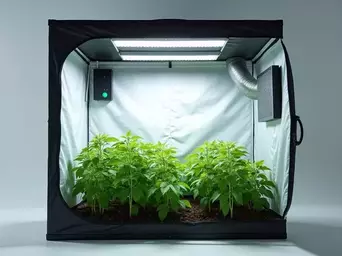
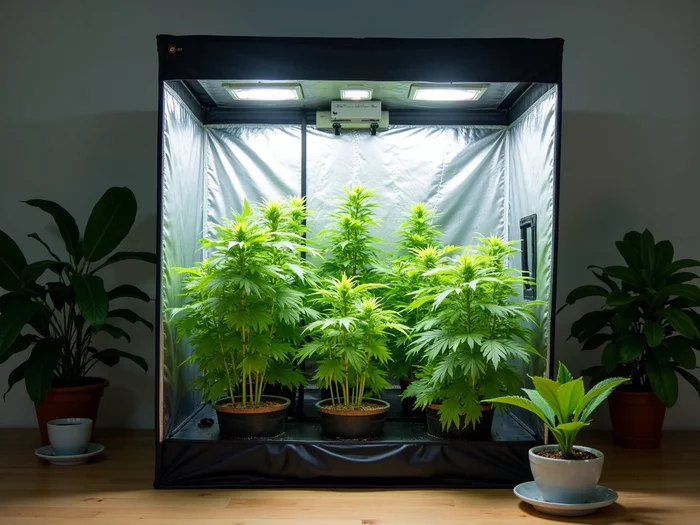
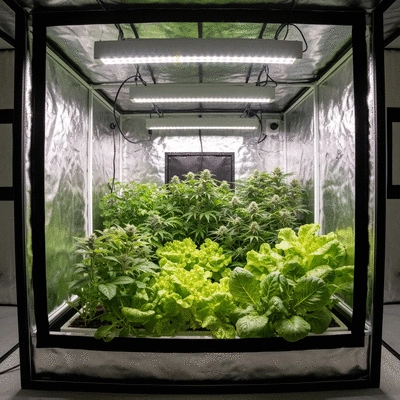
Modern grow tent with lush green plants inside, controlled environment, soft lighting

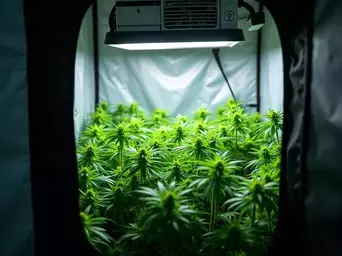
Grow tents are essentially portable, enclosed spaces designed for indoor gardening. They create an ideal microclimate for plants by controlling factors like temperature, humidity, and light exposure. One of the main reasons I recommend grow tents to fellow hobbyists is their versatility! Whether you’re growing vegetables, herbs, or flowers, a grow tent helps regulate the environment, leading to healthier plants. For additional information on how grow tents can optimize your indoor garden, consider consulting resources like the University of Minnesota Extension.

  • Easy setup and portability
  • Controlled environment for optimal growth
  • Protection from pests and diseases

By using a grow tent, you can also minimize your energy costs as they allow you to focus your lighting and ventilation systems right where you need them. This is especially helpful for indoor gardeners like us who might be limited on space! Further details on the practical applications of grow tents can be found on Wikipedia's grow tent page.

The Importance of Choosing the Right Grow Tent Size

Selecting the appropriate size for your grow tent is crucial to your indoor gardening success. I remember feeling overwhelmed when I first saw the range of sizes available! But understanding your available space and the plants you want to grow can simplify this decision.

  • Consider the dimensions of your space
  • Factor in how many plants you plan to grow
  • Think about future expansions as your gardening skills grow!

A tent that’s too small can stunt your plants' growth, while one that’s too large may lead to wasteful energy use. I often recommend using a measuring tape to map out your space and visualize your setup before making a purchase. Consulting expert advice, such as that from the University of Georgia Cooperative Extension, can also provide valuable insights on optimizing your grow space.

Key Features of Effective Grow Tent Designs

Now that you know about sizes, let’s talk about the key features that make a grow tent effective! After extensive research and reading countless user reviews, I found that certain elements can significantly impact your gardening experience.

  • Durable materials that withstand wear and tear
  • Reflective interiors to maximize light usage
  • Good ventilation systems to maintain airflow

When you invest in a grow tent with these features, you’re ensuring a better environment for your plants. I’ve noticed that tents that boast a sturdy frame and quality materials often lead to happier, healthier plants. Let’s explore more about grow tent sizes and capacities next!

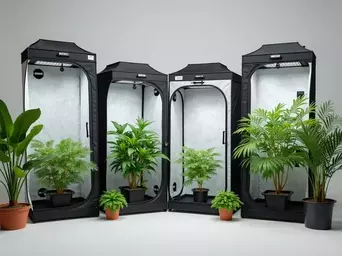
Exploring Grow Tent Sizes and Capacities

Pro Tip

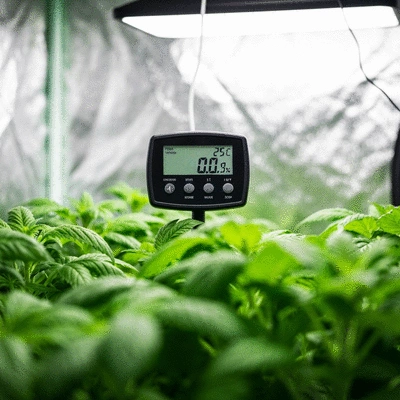
Did you know? Regularly monitoring your grow tent's environmental factors can lead to healthier plants and better yields. Invest in a quality thermometer and hygrometer to keep track of temperature and humidity levels. This proactive approach not only helps you catch issues early but also ensures your plants thrive in their optimal conditions!

Managing Environmental Factors in Grow Tents for Optimal Growth

To achieve a thriving indoor garden, managing environmental factors is crucial. This means keeping a close eye on temperature, humidity, and airflow. When I first started my indoor gardening journey, I quickly learned that a stable environment is key to healthy plants. If you've ever noticed your plants looking droopy or stunted, it might be time to assess your grow tent's conditions!

  • Temperature regulation
  • Humidity control
  • Air circulation
Digital thermometer and hygrometer monitoring grow tent conditions

By focusing on these critical factors, you’ll set your plants up for success. Let’s dive deeper into how you can master each aspect within your grow tent!

Temperature and Humidity Control Techniques

Maintaining the right temperature and humidity levels is essential for optimal plant growth. Generally, most indoor plants thrive at temperatures between 70°F and 85°F during the day, while nighttime temperatures can drop a bit lower. To better control these factors, consider using:

  • Thermostats and hygrometers for real-time monitoring
  • Heaters for colder months
  • Fans and air conditioning for hot days

In my experience, keeping humidity between 40% and 60% works wonders. You can use a humidifier to increase moisture or a dehumidifier if conditions get too damp. Balancing these levels will help your plants stay vibrant and healthy!

Airflow Management Strategies for Healthier Plants

Good airflow is vital for preventing mold, pests, and other health issues in your grow tent. Implementing effective airflow strategies helps ensure your plants receive adequate air circulation. Here are a few tips to improve airflow:

  • Use oscillating fans to distribute air evenly
  • Position your plants to avoid overcrowding
  • Consider installing intake and exhaust fans for enhanced ventilation

When I added oscillating fans to my setup, I immediately noticed my plants reacting positively! Not only did they grow stronger, but they also showed less stress. Proper airflow can greatly enhance your indoor garden's overall health.

Impact of Indoor Environment on Plant Health

The indoor environment directly affects plant health, growth rates, and yield. Factors such as light, temperature, humidity, and airflow intertwine to create your plants' ideal habitat. A stable environment will lead to:

  • Stronger root systems
  • Improved nutrient absorption
  • Higher resistance to pests and diseases

As I've learned through my own gardening experience, small adjustments can lead to significant improvements over time. Regularly monitoring these environmental factors will help you keep your plants happy and thriving in your grow tent!

Frequently Asked Questions About Grow Tents

What is a grow tent?
A grow tent is a portable, enclosed space designed for indoor gardening that creates a controlled microclimate for plants by managing factors such as temperature, humidity, and light exposure.
Why should I use a grow tent for indoor gardening?
Grow tents offer several benefits, including easy setup, portability, a controlled environment for optimal plant growth, and protection from pests and diseases. They also help minimize energy costs by concentrating lighting and ventilation.
How do I choose the right size grow tent?
To choose the right size, consider the dimensions of your available space, the number of plants you plan to grow, and potential future expansions. A grow tent that is too small can stunt plant growth, while one that is too large may waste energy.
What key features should I look for in a grow tent?
Effective grow tents typically feature durable materials for longevity, reflective interiors to maximize light usage, and efficient ventilation systems to maintain proper airflow. A sturdy frame and quality materials are also important.
What environmental factors are crucial to manage in a grow tent?
The most crucial environmental factors to manage are temperature, humidity, and airflow. Maintaining optimal levels of these factors is essential for plant health, growth rates, and overall yield.
What are the ideal temperature and humidity ranges for most indoor plants in a grow tent?
Most indoor plants thrive at temperatures between 70°F and 85°F during the day, with slightly lower nighttime temperatures. Humidity levels should generally be maintained between 40% and 60%.
How can I improve airflow in my grow tent?
To improve airflow, use oscillating fans to distribute air evenly, ensure proper spacing between plants to prevent overcrowding, and consider installing intake and exhaust fans for enhanced ventilation. Good airflow prevents mold and pests.

Recap of Key Points

Here is a quick recap of the important points discussed in the article:
  • Grow tents create a controlled environment for optimal plant growth, making them versatile for various types of plants.
  • Choosing the right size is crucial; measure your space and consider future expansions to avoid stunted growth or wasted energy.
  • Key features of effective grow tents include durable materials, reflective interiors, and good ventilation systems to maintain airflow.
  • Managing environmental factors like temperature, humidity, and airflow is essential for thriving indoor gardens.
  • Utilize monitoring tools like thermostats and hygrometers, and ensure good airflow with fans to enhance plant health.
Grow Tent Brand Comparison Guide Comparing Popular Grow Tent Brands: Gorilla, Vivosun, Mars Hydro, and Secret Jardin As the trend of indoor gardening flourishes, understanding how to choose the right grow tent is esse
Save Power with Smart Ventilation Energy-Efficient Ventilation Options to Reduce Grow Tent Power Use Did you know that efficient ventilation can significantly reduce your energy bills while promoting h
Maximizing Yields with Grow Lights Advanced Grow Lighting Techniques: Tips for Maximizing Yields Effective lighting can elevate your indoor garden to new heights—are you ready to unlock its full

Subscribe & Share
Recent Posts
How Grow Tents Work: Lights Ventilation & Environment Basics Understanding Grow Tent Essentials

Have you ever wondered what it takes to create the

Benefits of Using a Grow Tent vs. Open Growing Grow Tents vs. Open Growing Benefits

When considering your indoor gardening setup, it's

Grow Tent Sizes? Understanding Grow Tent Sizes

Choosing the correct size grow tent is pivotal for

Grow Tent Insider Tips for Your Indoor Garden