Passive or Active Ventilation for Grow Tents?
Posted on: 2025-09-26
By: Elena Cross
Curious about how to create the perfect environment for your indoor plants? Understanding the nuances of grow tent ventilation can transform your gardening experience. Whether you're a novice or a seasoned green thumb, knowing the difference between passive and active intake systems is essential for fostering plant health.
What You Will Learn
- Passive intake systems utilize natural airflow, making them low maintenance and energy efficient.
- Active intake systems provide enhanced control over airflow with fans, ideal for larger setups.
- Considerations such as tent size, lighting type, and plant needs are crucial when choosing a ventilation system.
- Experimenting with different configurations can help find the optimal balance for your indoor garden’s conditions.
Grow Tent Ventilation: Passive vs. Active Intake
Understanding the differences between passive and active intake systems is crucial for creating an optimal environment for your plants. Below is a comparison to help you choose the right ventilation strategy for your indoor garden.
Passive Intake Ventilation
Relies on natural airflow through lower vents as hot air exits through exhaust fans at the top. Ideal for simpler setups.
- ✓ Low Maintenance & Energy Efficient
- ✓ Quiet Operation
- ✓ Cost-Effective for Small Tents
Active Intake Ventilation
Uses fans to draw in air, providing controlled and consistent airflow. Offers greater flexibility and efficiency.
- ✓ Enhanced Control & Optimal Air Exchange
- ✓ Versatile Placement of Fans
- ✓ Boosts Growth Rates
Understanding Grow Tent Ventilation: The Role of Passive and Active Intake
When setting up your indoor garden, ventilation is a crucial aspect that can significantly impact your plants’ growth. Understanding the differences between passive and active intake systems can help you create an optimal environment for your plants. Let's dive into the details of these systems to see how they function and when to use each type!
As an indoor gardening enthusiast, I’ve navigated through various setups myself, and I can assure you that having the right ventilation makes all the difference in maintaining healthy plants. For comprehensive insights into setting up your grow room, consider consulting resources like the Hydrobuilder blog on indoor grow room ventilation.
What is Passive Intake Ventilation in Grow Tents?
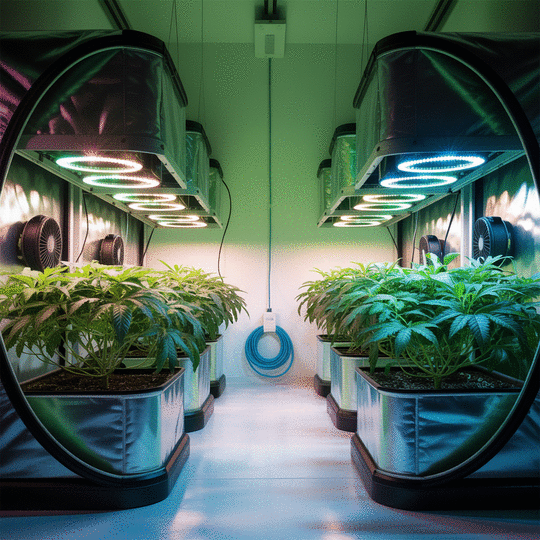
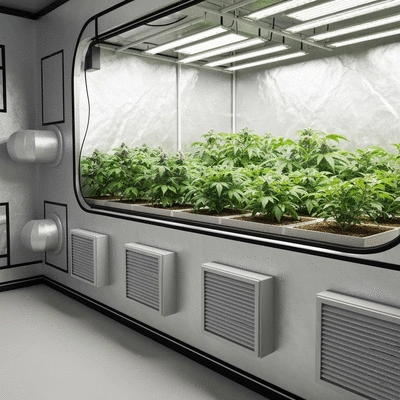
Passive intake ventilation is a method that relies on natural airflow to bring fresh air into your grow tent. This system typically uses vents located at the bottom of the tent, allowing air to enter as hot air exits through exhaust fans at the top.
- Low Maintenance: Requires minimal equipment and is easy to set up.
- Energy Efficient: No need for additional fans, saving on energy costs.
- Quiet Operation: Operates silently, making it ideal for discreet setups.
This setup is particularly beneficial for gardeners seeking a simple and cost-effective solution to maintain airflow in their grow tents.
Characteristics and Mechanism of Passive Air Intake
The mechanics of passive intake involve the basic principle of air movement: hot air rises, creating a vacuum that pulls cooler air in through the lower vents. This system works best in environments where temperature differences are noticeable, promoting a constant flow of fresh air.
Moreover, passive intake helps maintain humidity levels by allowing moisture to escape, which is vital for plant health. In my own experience, I’ve found that properly functioning passive systems can keep the internal environment of a grow tent surprisingly stable! For more on how passive systems compare, you can also explore information on passive vs. active greenhouse ventilation.
When is Passive Intake Most Effective?
Passive intake ventilation shines when your grow tent is not overly large and when external conditions—like the temperature and humidity—are favorable. It works particularly well in smaller setups or in conjunction with natural airflow from a nearby open window or door.
- Small to medium-sized tents
- Cooler climates where outside air is beneficial
- Settings where noise reduction is a priority
If you’re in a location with mild weather, this might be the perfect choice for you!
The Functionality of Active Intake Ventilation
Active intake ventilation employs fans to draw in air, ensuring a more controlled and consistent airflow within your grow tent. This method allows for greater flexibility and efficiency, particularly in larger setups.
- Enhanced Control: Users can adjust the speed and power of the fans to meet specific plant needs.
- Optimal Air Exchange: Ensures a steady flow of fresh air, which is essential for plant health.
- Versatile Placement: Fans can be strategically placed to target specific areas that may require more airflow.
With active ventilation, you can create the perfect environment for your plants, especially if you’re growing more demanding species that require precise conditions.
Advantages of Active Air Intake Systems
One significant advantage of active intake systems is their ability to maintain consistent temperature and humidity levels. By using fans, you can quickly adjust the airflow based on your plants’ growth stages, ensuring they receive the right conditions throughout their lifecycle.
In my journey with indoor gardening, I’ve found that using active ventilation can significantly boost growth rates and overall plant health. For advanced techniques on optimizing airflow, including insights into fans and ventilation, Growers House offers valuable information.

Ideal Scenarios for Using Active Intake Ventilation
Active intake ventilation is the go-to choice in environments with fluctuating temperatures or for larger grow tents where passive systems may struggle.
- Large grow tents or rooms
- Regions with high humidity or temperatures
- Growing plants with specialized air requirements
By understanding these systems, you can make a more informed decision that aligns with your gardening goals!
Pro Tip
For optimal plant health, consider combining both passive and active intake systems. Using passive intake for smaller tents while incorporating active ventilation when necessary allows for a flexible approach that adapts to your plants' changing needs. This hybrid method can enhance air circulation and create a more stable environment, fostering robust growth.
Making the Right Choice for Your Grow Tent Ventilation
When it comes to ventilation choices for your grow tent, it can feel like a juggling act! The decision between passive and active ventilation systems requires careful consideration, especially as you weigh the pros and cons of each. Understanding how these systems align with your specific needs will set you on the path to a thriving indoor garden.
Let’s take a closer look at some of the key factors to consider:
- Grow Tent Size: Larger tents may benefit more from active systems, while smaller setups might thrive with passive intake.
- Lighting Type: Higher wattage lights generate more heat, which can necessitate increased airflow to maintain ideal temperatures.
- Plant Types: Different plants have varying air quality needs; some may flourish with less ventilation, while others require more.
Ultimately, the goal is to create an environment that supports healthy growth. Take some time to analyze your setup before making a decision. I often recommend experimenting with different configurations to find the optimal balance for your specific conditions.
Frequently Asked Questions About Grow Tent Ventilation
What is the primary difference between passive and active intake ventilation?
Passive intake ventilation relies on natural airflow through vents as hot air exits, making it low maintenance and energy-efficient. Active intake ventilation uses fans to pull air into the tent, offering more controlled and consistent airflow, ideal for larger or more demanding setups.
When is passive intake ventilation most effective?
Passive intake is most effective for small to medium-sized grow tents, especially in cooler climates or situations where quiet operation and cost-effectiveness are priorities. It works well when external temperature differences help drive natural airflow.
What are the main advantages of active intake ventilation?
Active intake ventilation provides enhanced control over airflow, ensuring optimal air exchange and consistent temperature/humidity levels. It allows for versatile fan placement and can significantly boost plant growth rates, particularly in large tents or fluctuating environments.
Can passive and active intake systems be combined?
Yes, combining both passive and active intake systems can be highly beneficial. This hybrid method offers flexibility, allowing you to adapt to your plants' changing needs, enhance air circulation, and create a more stable growing environment.
What factors should I consider when choosing a ventilation system for my grow tent?
Key factors include the size of your grow tent, the type of lighting (higher wattage means more heat), and the specific air quality needs of your plants. Experimenting with different configurations to find the optimal balance for your conditions is also recommended.
Next Steps: Implementing Your Chosen Ventilation Strategy
Once you’ve made your choice regarding your ventilation system, it’s time to put that decision into action! Here are some steps you can follow to implement your ventilation strategy effectively:
- Gather the Right Equipment: Ensure you have all the necessary tools and materials for installation, such as fans, ducts, and filters.
- Plan Your Layout: Sketch out your grow tent’s layout, including where the fans and vents will be positioned to maximize airflow.
- Test and Adjust: After setting up, monitor your air exchange rates and adjust fan speeds as necessary to maintain optimal conditions.
For those looking to dive deeper into the subject, I’ve compiled a list of recommended resources that can provide further guidance. From online forums to product reviews, there’s a wealth of information out there to help you refine your ventilation strategy!
Resources for Further Learning and Equipment Recommendations
To enhance your understanding of ventilation systems and ensure you’re equipped with the best gear, check out these valuable resources:
- Grow Tent Insider Blog - Detailed articles on ventilation setups and indoor gardening tips.
- YouTube Gardening Channels - Visual tutorials on setting up ventilation systems.
- Community Forums: Engage with fellow gardeners on platforms like Reddit or specialized gardening forums to share experiences and tips.
By connecting with resources and fellow gardeners, you’ll gain insights that can improve your grow tent ventilation strategy and overall gardening success!
Recap of Key Points
Here is a quick recap of the important points discussed in the article:
- Passive Intake Ventilation: Utilizes natural airflow through lower vents, ideal for small to medium-sized tents in cooler climates.
- Active Intake Ventilation: Employs fans for controlled airflow, best for larger grow tents or regions with fluctuating temperatures.
- Consider Grow Tent Size: Match the ventilation type to the size of your setup for optimal performance.
- Monitor Temperature and Humidity: Regularly check and adjust conditions to support healthy plant growth.
- Plan Your Layout: Strategically position fans and vents to maximize airflow efficiency.
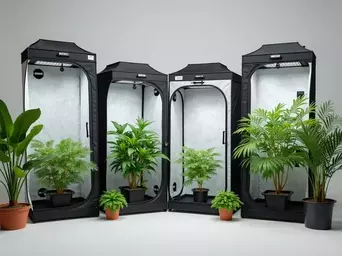 As the trend of indoor gardening flourishes, understanding how to choose the right grow tent is esse
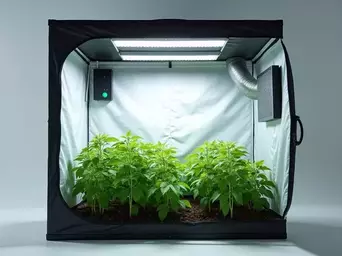 Did you know that efficient ventilation can significantly reduce your energy bills while promoting h
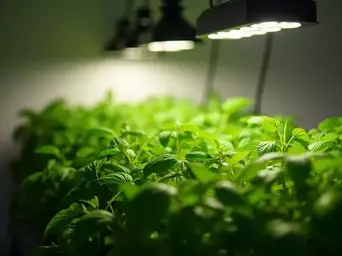 Effective lighting can elevate your indoor garden to new heights—are you ready to unlock its full