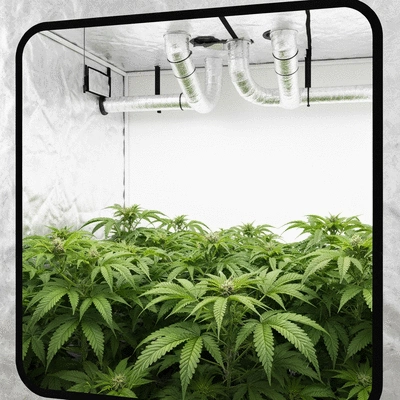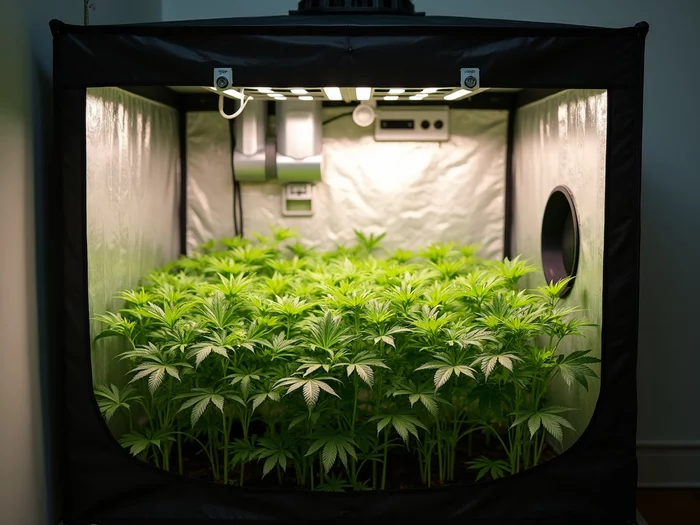
Problem: Insufficient Air Exchange
Leads to stale air, poor plant growth, and unhealthy environments.
Solution: Adequate fan systems & clear vents.
Posted on: 2025-10-12
By: Elena Cross
Effective ventilation is the backbone of a thriving indoor garden, yet many growers overlook its significance. Have you considered how a simple airflow issue could impact your plants' health and yield?
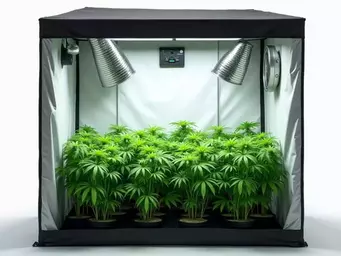
Effective grow tent ventilation is crucial for plant health. Below are common issues faced by growers and their corresponding solutions.
Leads to stale air, poor plant growth, and unhealthy environments.
Solution: Adequate fan systems & clear vents.
Causes plant stress, wilting, mold, and pests.
Solution: Regular monitoring & environmental controls.
Unpleasant smells escaping into living spaces.
Solution: Carbon filters & efficient exhaust systems.
Stunted growth, yellowing leaves, and odors.
Solution: Observe signs; implement early solutions.
Excessive fan noise can be annoying.
Solution: Quieter fans & adjustable speeds.
Difficulty for plants to absorb CO2; increased dust.
Solution: Balanced intake & exhaust fans.
When it comes to indoor gardening, proper ventilation in your grow tent is not just beneficial—it's essential! Not only does it maintain a healthy environment for your plants, but it also plays a critical role in regulating temperature, humidity, and air quality. Without adequate ventilation, you can run into a whole array of challenges that might jeopardize your grow. Let's delve into why ventilation is a crucial element of your grow tent setup.
Imagine the difference between a thriving garden and a drooping, yellowing one. That difference often comes down to airflow. A well-ventilated tent allows fresh air to circulate while removing stale air and excess heat, ensuring your plants receive the oxygen they need to grow robustly. Understanding the importance of ventilation can help you avoid some common pitfalls! For more detailed information on maintaining healthy indoor air quality, you can refer to resources like the EPA's guide on ventilation and indoor air quality.
Proper ventilation safeguards your indoor garden by providing several key benefits:
These factors combined create a healthier environment for your plants, allowing them to flourish. As a hobby grower myself, I've seen first-hand how proper ventilation can transform a struggling garden into a thriving one! Penn State Extension also offers valuable insights into ventilation and air circulation in indoor plants.
Despite its importance, ventilation often gets overlooked, leading to several common issues. Here are some problems you may encounter:
Addressing these challenges early on can save you time and resources down the line. In fact, tackling ventilation issues as soon as they arise is one of the best ways to ensure a successful indoor gardening experience! You can find more comprehensive advice on this topic from Growers Network, which covers why ventilation in grow tents is essential and how to get it right.
To effectively manage ventilation, it's essential to recognize the common problems that can arise within your grow tent. Understanding these challenges allows you to take proactive steps to mitigate their effects.
One of the most prevalent issues is insufficient air exchange. Without proper airflow, stale air can accumulate, leading to poor plant growth and unhealthy environments. Causes of this problem can include:
If you're noticing slow plant growth or unhealthy foliage, check your air exchange system first!
Temperature and humidity imbalances can throw a wrench in your indoor gardening plans. For example:
Regular monitoring will help you maintain an ideal growing environment!
Odor control is another critical aspect of ventilation. As plants grow, they can produce strong smells that may escape into your living space. It's essential to:
Don't let unwanted smells become a problem—taking control of your ventilation can keep your indoor garden discreet!
Inadequate airflow can be tricky to spot. Keep an eye out for signs like:
Identifying these signs early can help you implement solutions before your plants suffer! Remember, a little attention to airflow can go a long way in maintaining a healthy grow tent.
While not always a dealbreaker, excessive fan noise can be annoying. To address this:
Finding a balance between quiet operation and effective ventilation is key to a peaceful indoor gardening experience!
Negative pressure occurs when your exhaust system pulls air out faster than it can be replaced. This can lead to:
To counteract negative pressure, ensure your intake fans are operating efficiently, providing a balanced airflow!
Lastly, heat stress can seriously impact your plants. Symptoms may include:
Implementing effective ventilation strategies can prevent these symptoms from occurring. Remember, a well-ventilated tent is less likely to experience heat stress!
Did you know? Regularly checking the position and functionality of your ventilation fans can significantly enhance your grow tent's performance. Make it a habit to adjust fan angles and speeds based on your plants' growth stages to ensure optimal airflow. This small adjustment can lead to healthier plants and better yields!
When it comes to grow tent ventilation, having a solid plan in place is essential for maintaining a healthy environment for your plants. At Grow Tent Insider, we understand that the right ventilation strategies can make all the difference in your indoor gardening success! Let’s explore some advanced techniques to enhance your grow tent's air circulation and overall performance.
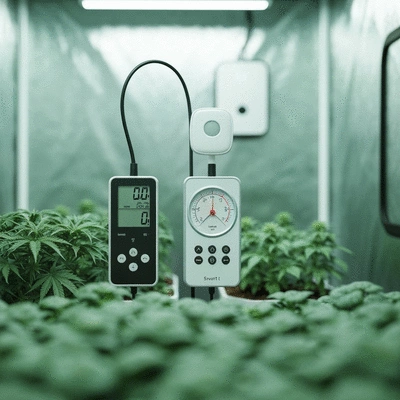
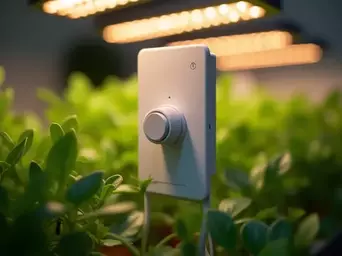
To optimize your ventilation system, consider integrating advanced environmental monitoring tools. These devices can provide real-time data on temperature, humidity, and air quality, allowing you to make informed decisions for your setup. Popular options include:
By using these tools, you’ll gain insights that help prevent issues before they become significant problems. It’s all about maintaining an optimal growing environment!
Another approach to effective ventilation is using passive ventilation techniques. This method relies on natural airflow rather than mechanical fans, which can save energy and reduce noise levels. Here are some techniques to consider:
By implementing passive ventilation, you can enhance air exchange while keeping energy costs down—an ideal balance for every hobby grower!
Don’t overlook the importance of air quality in your grow tent! Poor air quality can stifle plant growth, leading to issues like mold and pest infestations. To maintain good air quality, focus on:
By prioritizing air quality, you’ll create a more conducive environment for your plants to thrive!
Lastly, consider adding oscillating fans to your grow tent setup. These fans help distribute air evenly, preventing hot or stagnant pockets of air from forming. When choosing oscillating fans, look for models that are:
Using oscillating fans can significantly enhance air circulation, promoting healthier growth and reducing the risk of heat stress!
As we wrap up our deep dive into grow tent ventilation strategies, remember that proper ventilation is critical for a successful indoor garden. Regular monitoring and maintenance will help you catch issues early and keep your plants thriving!
To recap, here are some essential tips for maintaining an effective ventilation system:
With these strategies in place, you’ll be well on your way to mastering your grow tent ventilation!
Don't forget: regular monitoring of your ventilation system is key. Keeping an eye on temperature, humidity, and airflow ensures you can respond promptly to any changes. This proactive approach can help you maintain a consistent environment for your plants.
Finally, be mindful of heat buildup in your grow tent. Heat stress can harm your plants, stunting their growth and reducing yields. Make it a point to:
By taking these steps, you’ll be able to manage overheating risks effectively!
We’d love to hear your thoughts! Have you tried any of these ventilation strategies? Share your experiences with us, and let’s help each other grow our indoor gardens to their full potential!
Here is a quick recap of the important points discussed in the article: