Grow Tent Size & Plants
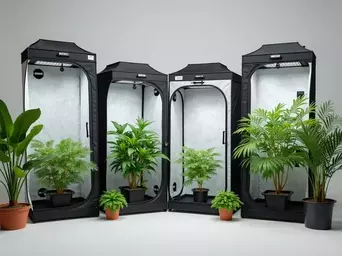
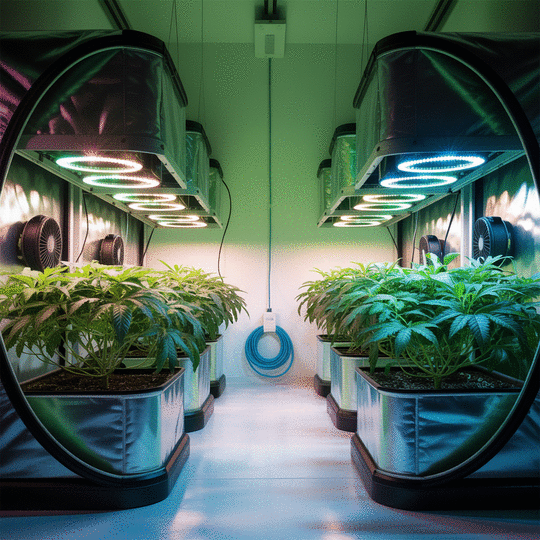
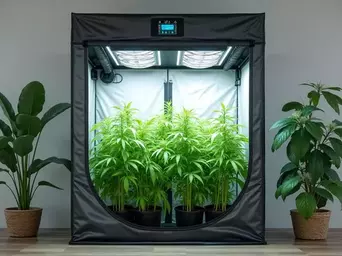
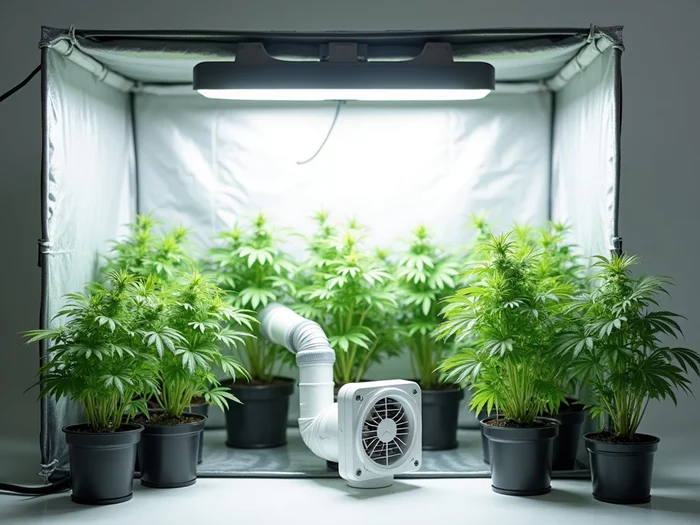
The dimensions of your tent and the number of plants directly dictate fan size and airflow requirements.
Posted on: 2025-09-11
By: Elena Cross
When it comes to indoor gardening, the right ventilation can transform your grow tent into a thriving ecosystem. Did you know that proper airflow not only regulates temperature but also enhances nutrient uptake for your plants? Let’s dive into the essential insights that will help you optimize your grow tent ventilation.
Optimal plant health relies on a well-ventilated grow tent. The key elements below highlight the crucial factors influencing your ventilation setup.
The dimensions of your tent and the number of plants directly dictate fan size and airflow requirements.
High-output lights generate more heat, necessitating more robust ventilation to prevent plant stress.
The ambient temperature and humidity of your room impact the cooling and dehumidifying effort needed.
Managing humidity prevents mold and dehydration, crucial for balanced plant growth.
When it comes to indoor gardening, ventilation plays a crucial role in ensuring the health and growth of your plants. Have you ever walked into a grow tent and felt a stuffy atmosphere? That's a sign that your ventilation might not be doing its job! Proper airflow can make a world of difference, allowing your plants to thrive by regulating temperature, humidity, and overall air quality.
In this section, we'll explore why proper ventilation is essential for your grow tent setup and the various factors that influence your ventilation needs. Understanding these elements will empower you to create the perfect environment for your indoor garden.
Good ventilation is not just about keeping air moving; it helps maintain an optimal environment for your plants. Without it, issues like heat buildup, excess humidity, and stagnant air can lead to problems such as mold, pests, and poor plant health. Here are some key reasons why ventilation is so important:
Each of these points highlights a vital aspect of maintaining an effective growing environment. When I first started my own indoor gardening journey, investing in a good ventilation system was a game changer! It helped me avoid the common pitfalls that many new growers face. For more insights on the importance of ventilation in indoor air quality, you can refer to resources from the EPA.
Ventilation needs aren't one-size-fits-all; they depend on several factors that can vary from one grow tent to another. Here are some essentials to consider:
By understanding these factors, you can better assess the ventilation requirements unique to your setup. For example, if you're using high-output LED lights, you may need more robust ventilation to handle the heat they produce. The Penn State Extension offers valuable information on ventilation in indoor gardening.
Temperature is a critical factor in the health of your plants. If your tent gets too hot, it can stress the plants, leading to stunted growth or even death. To keep temperatures in check, you may need to increase your airflow. This could involve using additional fans or adjusting your existing setup for better air circulation.
When I began to monitor temperature fluctuations in my own grow tent, I realized just how essential it was to have a reliable ventilation system that could adapt to changes in both external and internal temperatures!
Alongside temperature, humidity levels significantly impact plant growth. High humidity can promote mold and mildew, while too little humidity can lead to dehydration. By effectively managing humidity through ventilation, you can create a balanced environment that supports healthy growth.
It's essential to use hygrometers to track humidity levels accurately; this allows you to adjust your ventilation systems as needed to maintain optimal conditions for your indoor garden. The USDA Agricultural Research Service provides further details on grow room ventilation.
Did you know? Regularly checking your grow tent's ventilation system can save you from potential plant disasters. Ensure that your fans are clean and functioning well, as even a small amount of dust can significantly hinder airflow. This simple maintenance step can help you avoid problems like heat stress and humidity spikes, leading to healthier plants!
As we wrap up our exploration of grow tent ventilation, it’s crucial to remember that proper ventilation is the backbone of a thriving indoor garden. With the right setup, you can maintain optimal conditions for your plants, ensuring they receive the airflow needed for healthy growth. Let’s break down some key points to keep in mind as you finalize your ventilation system.
Now that you have a comprehensive understanding of these elements, it’s time to reflect on how they fit into your unique setup. Ventilation is not just about moving air; it’s about creating a balanced environment that nurtures your plants. I always recommend taking a moment to assess your current setup and consider if any adjustments can be made for improvement!
Choosing the right ventilation system can seem daunting, but with the right knowledge, it becomes a manageable task. You want a system that fits your grow tent's specific needs while remaining efficient. I’ve found that many growers benefit from starting with a basic setup and gradually enhancing it as they gain more experience and understand their plants’ needs better.
As you select your equipment, think about how easy it will be to maintain and whether it allows for scalability. A grow tent is an investment, and ensuring your ventilation system can adapt as your gardening journey evolves is vital!
To keep your grow tent thriving, here are some best practices to implement:
By adhering to these practices, you’ll create an environment that not only supports plant health but also makes your gardening experience more enjoyable!
Ready to implement your ventilation plan? Start by measuring your grow tent dimensions accurately and calculating your CFM needs. From there, consider your fan options and how they will fit into your overall setup. Remember, every grow tent is unique, and finding what works for you may take a bit of experimentation.
As you set up your ventilation, don't overlook the potential for CO2 enrichment. Proper airflow not only helps regulate temperature and humidity but also aids in maintaining healthy CO2 levels. Plants thrive on CO2, and ensuring a consistent supply can lead to better growth and yields. So, while you focus on ventilation, think about how to integrate CO2 management into your overall strategy!
Here is a quick recap of the important points discussed in the article: