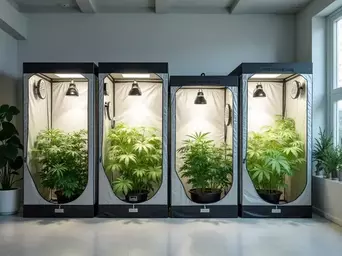
As you embark on your indoor gardening journey, have you considered the impact of your growing environment? The choice between a grow tent and an open growing space can shape your gardening success. Let's explore the vital aspects of each method and what you stand to gain.
What You Will Learn
Grow tents provide enhanced environmental control, allowing you to optimize temperature, humidity, and light for plant health.
Open growing environments offer natural sunlight and air circulation but come with challenges like pest susceptibility and weather fluctuations.
Using a grow tent can lead to faster plant growth and healthier yields due to its controlled growing conditions.
Evaluating your specific gardening goals and available space is crucial in deciding between a grow tent and open growing.
Grow Tent vs. Open Growing Environments
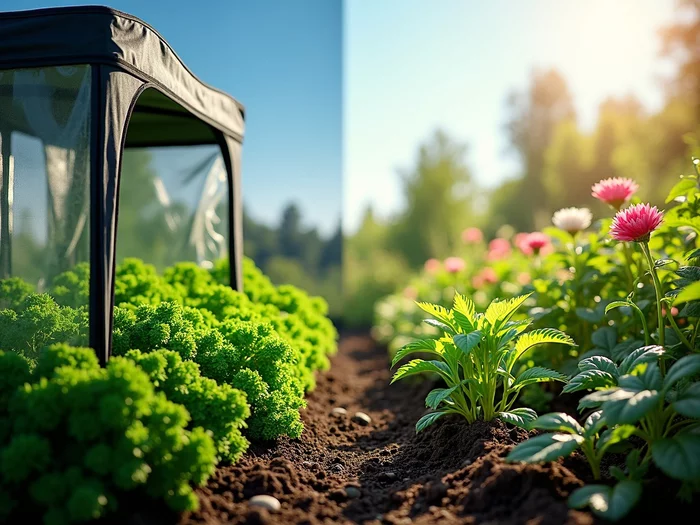
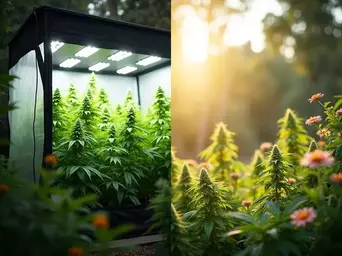
A side-by-side comparison of controlled grow tents and traditional open growing setups.
Grow Tent Environment
✓Enhanced Control: Precise management of temperature, humidity, light spectrum.
✓Natural Light/Air: Plants benefit from natural sunlight and air circulation (if available).
✖Less Discreet: Light and odors are not contained, potentially less private.
Understanding the Grow Tent vs. Open Growing Debate
As an indoor gardening enthusiast, I've often found myself knee-deep in debates about the best way to grow plants indoors. One of the most pressing questions is whether to use a grow tent or an open growing environment. Both have their merits, but understanding the differences can help you make a choice that best fits your gardening goals. For a deeper understanding of controlled environments, you can refer to insights from horticultural extension resources.
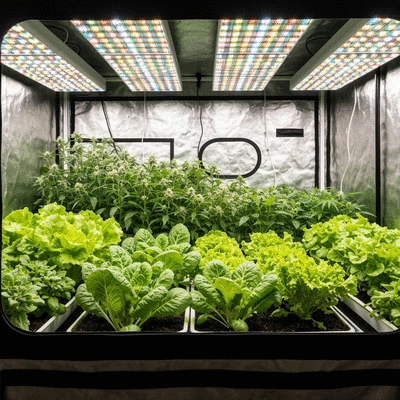
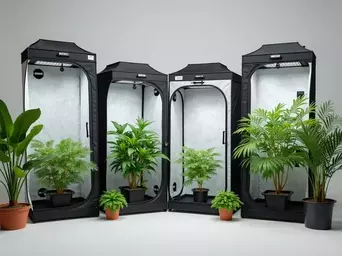
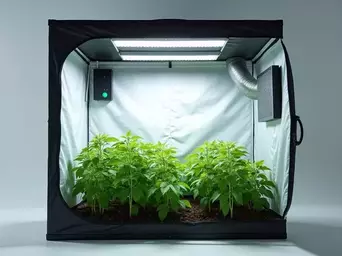
Let’s start with the basics: what exactly is a grow tent? A grow tent is a specialized enclosure designed to create an ideal growing environment for your plants. It is typically made from reflective material and includes features like ventilation ports and adjustable lighting options that help simulate the perfect conditions for growth.
What is a Grow Tent and How Does It Work?
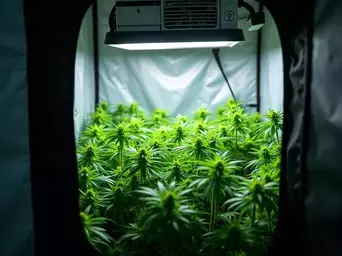
A grow tent works by creating a controlled environment that can be tailored to the specific needs of your plants. Inside, you can manage temperature, humidity, and light exposure according to what your plants require to flourish. This level of control can lead to faster growth and healthier plants, especially if you're just starting out or want to maximize your yield. The ability to precisely control the environment is a significant advantage, as highlighted by various agricultural risk management forums.
Easy to customize your growing conditions
Maintains consistent light and temperature levels
Protects your plants from pests and environmental factors
In my own experience, using a grow tent has made a significant difference in my indoor gardening journey. It’s a space where I can experiment, learn, and watch my plants thrive without the unpredictability of outdoor conditions!
Defining Open Growing Environments
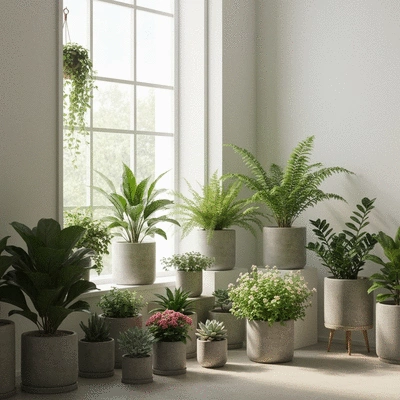
On the flip side, open growing environments refer to any gardening setup that allows plants to grow without being enclosed. This can include using traditional pots, raised beds, or even directly in the ground (if you have access to outdoor space). While it might seem like the more natural choice, there are a few trade-offs to consider.
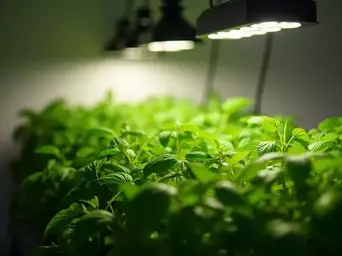
Plants can benefit from natural sunlight and air circulation
Less initial setup cost compared to grow tents
Requires less energy consumption for lighting
However, these benefits come with challenges, such as susceptibility to pests and fluctuations in weather. As someone who values consistent results, I've leaned toward grow tents to avoid these pitfalls! For more comparisons between grow tents and open grow rooms, you can consult resources from Penn State Extension.
Key Advantages of Using a Grow Tent
Now that we've established the basic differences, let’s dig deeper into the key advantages of using a grow tent. Understanding these benefits can help you see why many indoor gardeners, including myself, prefer this method.
Enhanced Environmental Control for Optimal Growth
Space Efficiency and Portability
Cost-Effectiveness and Setup Simplicity
With a grow tent, you not only get environmental control but also the flexibility to tailor your setup to your available space and budget. Plus, as I often say, investing in a grow tent is investing in the health of your plants!
Pro Tip
When setting up your grow tent, consider investing in a quality exhaust fan. Proper ventilation not only helps maintain the ideal temperature and humidity levels but also prevents the buildup of harmful pests and diseases. A well-ventilated tent can significantly enhance your plants' health and yield!
Making the Right Choice: Grow Tent or Open Growing?
Choosing between a grow tent and an open growing method can feel a bit daunting, but it’s all about aligning your setup with your specific needs and goals! Whether you're just starting out or you've been gardening for a while, understanding what you want to achieve will help guide your decision. Let’s explore some key factors to consider.
Evaluating Your Specific Needs and Goals
Before making a decision, take a moment to reflect on what you're hoping to accomplish with your indoor garden. Are you looking for maximum yield, or is experimentation with different plants more your style? Here are some questions to ponder:
What is the available space in your home?
How much time can you dedicate to gardening?
What types of plants do you want to grow?
Do you prefer a more controlled environment, or are you comfortable with the natural variability of an open space?
By answering these questions, you’ll better understand whether a grow tent or an open growing environment suits your personal approach to gardening. Remember, both methods have their own unique set of benefits and challenges!
Frequently Asked Questions About Growing Methods
1. What are the primary benefits of using a grow tent?
Grow tents offer enhanced environmental control, allowing precise management of temperature, humidity, and light. They also provide protection against pests and diseases, optimize space, and can lead to faster growth rates and higher yields compared to open growing environments.
2. What are the disadvantages of an open growing environment?
Open growing environments offer less control over environmental factors, making plants more susceptible to ambient room conditions and natural variability. They also carry a higher risk of pest and disease infestations and lack the discretion of a contained grow tent.
3. Can I achieve optimal plant growth without a grow tent?
While optimal growth is harder to achieve without the precise control of a grow tent, it is possible in an open environment if you have access to consistent natural light and can manage air circulation, temperature, and humidity manually. However, this often requires more effort and vigilance.
4. Is a grow tent more cost-effective in the long run?
Although grow tents have an initial setup cost for the tent and associated equipment (lights, fans, etc.), their ability to optimize growth, protect plants, and reduce waste can make them more cost-effective over time by increasing yields and reducing losses from environmental factors or pests.
5. How does a grow tent protect against pests and diseases?
A grow tent creates a sealed, isolated environment that significantly reduces the entry points for external pests and airborne pathogens. This controlled separation from the general household environment helps maintain a cleaner, healthier space for your plants, minimizing the risk of infestations and disease spread.
How to Choose Between Hydroponics and Soil-Based Growing
When it comes to selecting your growing medium, the choice between hydroponics and soil can significantly impact your gardening experience. Hydroponics offers faster growth and larger yields but requires more precise monitoring. On the other hand, soil-based growing is often simpler and more forgiving, especially for beginners. It's essential to consider:
Your level of experience and willingness to invest time in setup and maintenance
The types of plants you want to cultivate
Your budget for equipment and supplies
The Role of Light Spectrum and Grow Lights in Your Decision
Effective lighting is crucial for plant growth, and it’s different for grow tents compared to open growing. In a grow tent, you can control the light spectrum, which can enhance growth rates and yields. If you're using an open growing method, you’ll depend more on natural light, which can be variable. Consider these points:
How much natural light does your growing area receive?
Are you prepared to invest in specialized grow lights?
What types of light spectrum do your plants prefer for optimal growth?
By evaluating these aspects, you can make a more informed choice that aligns with your gardening aspirations!
Recap of Key Points
Here is a quick recap of the important points discussed in the article:
Grow tents provide controlled environments, allowing precise management of temperature, humidity, and light for optimal plant growth.
Open growing environments benefit from natural sunlight and air circulation but are more susceptible to pests and weather fluctuations.
Key advantages of grow tents include enhanced environmental control, space efficiency, and cost-effectiveness.
Assess your specific needs and goals when choosing between a grow tent and open growing setup, considering factors like available space and plant types.
Effective lighting is crucial; grow tents allow for better control over light spectrum compared to open environments.
2025-11-04
Grow Tent Brand Comparison Guide
As the trend of indoor gardening flourishes, understanding how to choose the right grow tent is esse
2025-11-01
Save Power with Smart Ventilation
Did you know that efficient ventilation can significantly reduce your energy bills while promoting h