Is a Grow Tent Right for You?
Posted on: 2025-10-12
By: Elena Cross
What if I told you that a simple fabric enclosure could revolutionize your indoor gardening experience? That's right! Understanding the purpose and components of grow tents can significantly influence your plant health and yield. Let’s explore the essential insights you’ll gain from this article.
What You Will Learn
- A grow tent is a portable, enclosed space that facilitates indoor gardening by allowing you to control temperature, humidity, and light exposure.
- Key features of a grow tent include lightproofing, built-in ventilation, and accessibility for easy plant care.
- Essential components to look for when purchasing a grow tent are a sturdy frame, durable fabric, and a waterproof floor tray.
- Investing in the right accessories, like grow lights and fans, can enhance plant health and improve yields in your indoor garden.
- Grow tents offer advantages such as space utilization and control over conditions, but consider the initial investment and setup complexity before purchasing.
- Soil quality and proper plant nutrition are critical for gardening success, regardless of whether you use a grow tent.
- Engaging with online forums and gardening communities can provide valuable support and insights as you navigate your indoor gardening journey.
Key Considerations for Your Indoor Grow Tent Setup
Understanding the essential components and accessories of a grow tent, along with its pros and cons, is crucial for successful indoor gardening. This overview highlights the key factors to consider when setting up your controlled growing environment.
Essential Grow Tent Features
- ✓Lightproofing: Prevents light escape, maximizes efficiency.
- ✓Ventilation: Ports for airflow, temperature control.
- ✓Accessibility: Zippered doors for easy plant access.
Key Grow Tent Components
- ●Frame: Sturdy support for lights & equipment.
- ●Fabric: Thick, durable, reflective interior.
- ●Floor Tray: Waterproof for spill containment.
Enhancing Your Setup with Accessories
- ★Grow Lights: Essential for photosynthesis.
- ★Fans: Proper air circulation and stem strengthening.
- ★Timers: Automates light schedules for consistency.
Pros of Using a Grow Tent
- ✓Space Utilization: Maximizes available growing area.
- ✓Versatility: Suitable for various plant types.
- ✓Control Over Conditions: Easy management of temp, humidity, light.
- ✓Cost-Effective: Prevents plant loss, long-term savings.
Cons of Using a Grow Tent
- ✖Initial Investment: Upfront cost for tent & accessories.
- ✖Setup Complexity: Can be overwhelming for beginners.
- ✖Space Requirement: Needs dedicated space.
Critical Factors for Indoor Gardening
- ☉Soil Quality: Use high-quality potting soil.
- ☉Plant Nutrition: Incorporate organic fertilizers.
- ☉pH & Nutrient Levels: Regularly test for optimal growth.
Understanding Grow Tents: Purpose and Components
When I first started my indoor gardening journey, I was surprised by how much I didn't know about grow tents. These specialized setups are essential for hobby growers like us who want to create controlled environments for our plants. But what exactly is a grow tent, and why should you consider one?
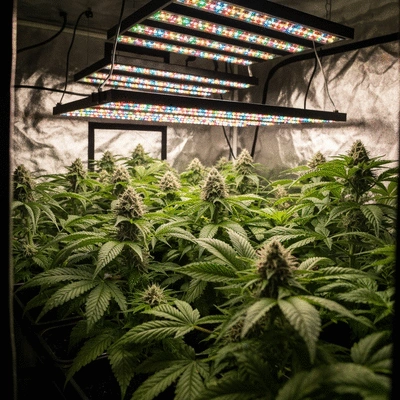
Simply put, a grow tent is a portable, enclosed space designed to facilitate indoor gardening. It provides a controlled environment where you can manage factors like temperature, humidity, and light exposure. With so many options out there, it's crucial to understand the core components that make up a grow tent and how they impact your gardening success. For a broader overview of the market, you can explore the grow tents market, which highlights increasing trends in demand.
Defining a Grow Tent and Its Essential Features
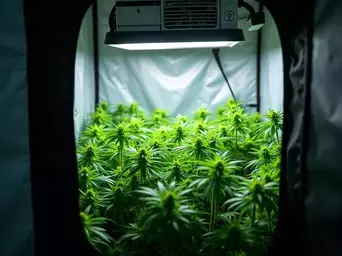
A grow tent is essentially a fabric enclosure, usually made from durable materials that reflect light and provide insulation. The walls are typically lined with reflective materials to maximize light efficiency, which is essential for plant growth. One of the key features of a grow tent is its ability to create a controlled environment that mimics outdoor conditions.
- Lightproofing: A good grow tent prevents light from escaping, ensuring your plants get the full benefit of the light you provide.
- Ventilation: Most tents come with built-in ports for fans and filters, allowing for adequate airflow and temperature control.
- Accessibility: Zippered doors and multiple openings make it easy to access your plants without disrupting their environment.
Understanding these essential features will help you choose the right grow tent for your indoor gardening needs. It’s all about providing your plants with the best possible habitat! For more detailed insights on the benefits and disadvantages, GrowDiaries offers a comprehensive guide.
Key Components of a Grow Tent: What You Need to Know
Now that we've defined what a grow tent is, let’s dig deeper into its key components. Knowing these elements will make your shopping experience much simpler when deciding on what tent to purchase.
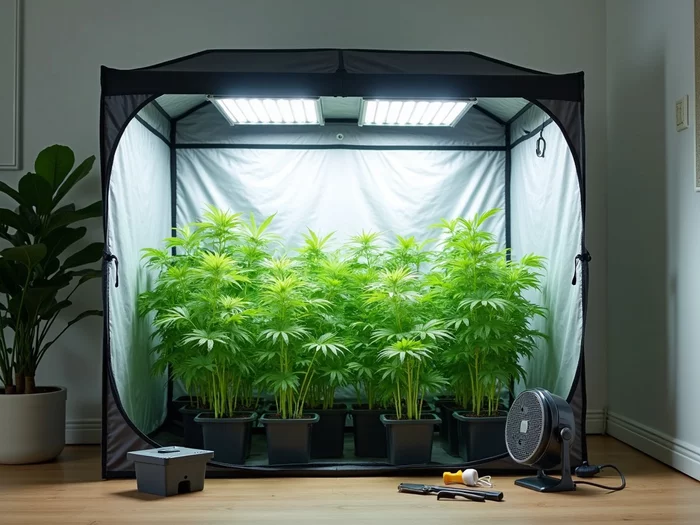
- Frame: A sturdy frame is essential for supporting the weight of lights, plants, and any additional equipment you may want to hang.
- Fabric: Look for a tent made from thick, durable fabric. It should ideally be tear-resistant and have a reflective interior.
- Floor Tray: A removable or waterproof floor tray is useful for catching spills and preventing water damage to your floors.
These components play a vital role in ensuring your grow tent functions effectively. As I learned through my research, having a solid understanding of these parts can help you make a smarter investment for your indoor garden.
Exploring Grow Tent Accessories: Enhancing Your Setup
Besides the tent itself, there are numerous accessories that can enhance your grow tent experience. When I set up my own tent, I quickly realized that the right accessories could make all the difference in plant health and yield.
- Grow Lights: Essential for photosynthesis, select lights that fit your plant's specific needs.
- Fans: Proper air circulation is crucial; oscillating fans help strengthen plant stems while regulating temperature.
- Timers: Automating your light schedule is a huge time-saver and ensures consistent exposure for your plants.
Investing in the right accessories can take your indoor gardening to the next level. As you explore what's available, consider what fits your specific gardening goals. Each piece can contribute to a thriving indoor ecosystem!
Pro Tip
When setting up your grow tent, consider the layout carefully. Place taller plants towards the back and shorter ones at the front to ensure that all your plants receive adequate light. This simple arrangement can significantly enhance your overall yield and make caring for your plants easier!
Reflecting on the Necessity of a Grow Tent in Your Indoor Gardening Journey
As I dove deeper into the world of indoor gardening, I often found myself wondering, "Do I really need a grow tent?" This is a common question among hobby growers, and the answer can vary based on your unique gardening goals and setup. Let's take a closer look at the pros and cons of using a grow tent, so you can make an informed decision that aligns with your needs.
Here's what to consider:
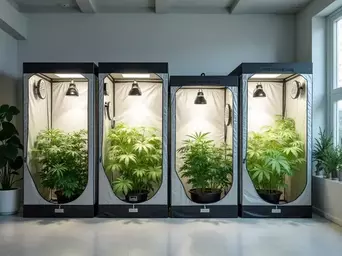
- Space Utilization: Grow tents provide a controlled environment, allowing you to maximize your available space.
- Versatility: They can be used for a variety of plants, from vegetables to flowers and even herbs.
- Control Over Conditions: With a grow tent, you can easily manage temperature, humidity, and light exposure.
- Cost-Effective: Investing in a grow tent can save money in the long run by preventing issues that could lead to dead plants.
However, there are also some downsides to consider:
- Initial Investment: The upfront cost of a quality grow tent and its necessary accessories can be significant.
- Setup Complexity: For beginners, setting up a grow tent may feel overwhelming at first.
- Space Requirement: You'll need a dedicated space for the tent, which may not be feasible for everyone.
Making an Informed Decision: Is a Grow Tent Right for You?
To determine if a grow tent is the right fit, think about your gardening style and goals. Are you looking to cultivate a few herbs on your windowsill, or are you ready to dive into more complex indoor gardening projects? If you’re eager to grow a variety of plants, a grow tent might be your best ally.
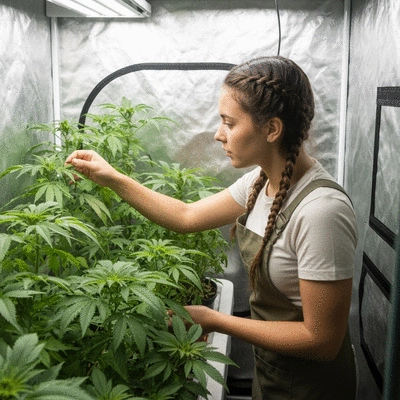
Here are some questions to ask yourself:
- What types of plants do you want to grow?
- How much space do you have available for your setup?
- Are you willing to invest time and resources into setting up and maintaining a controlled environment?
Reflecting on these questions can guide you to a clearer path in your indoor gardening journey. Remember, your setup should not just serve your plants but should also fit seamlessly into your lifestyle and space. For further guidance on choosing the right tent, Planet Natural provides valuable resources.
Importance of Soil Quality and Plant Nutrition in Indoor Gardening
Regardless of whether you choose to use a grow tent, soil quality and plant nutrition are critical factors in your gardening success. Healthy plants start from the ground up! Quality soil provides essential nutrients that your plants need to thrive.
Here are a few tips for maintaining soil quality:
- Use high-quality potting soil that’s designed for indoor plants.
- Consider incorporating organic fertilizers to enrich the soil.
- Regularly test your soil’s pH and nutrient levels to ensure optimal growth conditions.
With the right approach to soil and nutrition, your plants will flourish, whether they are nestled inside a grow tent or displayed proudly on your windowsill. Your choice in gardening setup is just one piece of the puzzle; nurturing your plants properly is equally essential!
Frequently Asked Questions (FAQs) About Grow Tents
- What is a grow tent?
- A grow tent is a portable, enclosed fabric structure designed to create a controlled environment for indoor gardening, allowing you to manage factors like temperature, humidity, and light exposure for optimal plant growth.
- What are the essential features of a good grow tent?
- Key features include lightproofing to prevent light escape, built-in ventilation ports for airflow and temperature control, and zippered doors for easy accessibility to your plants.
- What are the core components I should look for when buying a grow tent?
- You should look for a sturdy frame to support equipment, durable and reflective fabric for efficiency, and a waterproof floor tray to contain spills and prevent damage.
- What accessories are recommended to enhance a grow tent setup?
- Recommended accessories include grow lights tailored to your plants' needs, fans for air circulation and stem strengthening, and timers to automate consistent light schedules.
- What are the main advantages of using a grow tent?
- Advantages include efficient space utilization, versatility for various plant types, precise control over environmental conditions (temperature, humidity, light), and long-term cost savings by preventing plant loss.
- Are there any downsides to using a grow tent?
- Potential downsides include the initial investment for the tent and accessories, the possible complexity of setup for beginners, and the requirement for dedicated space.
- How important are soil quality and plant nutrition in indoor gardening, even without a grow tent?
- Soil quality and plant nutrition are critically important for successful indoor gardening, regardless of whether a grow tent is used. High-quality potting soil and organic fertilizers provide essential nutrients, and regular testing of pH and nutrient levels ensures optimal growth.
Encouragement to Explore More on Indoor Gardening Solutions
As you contemplate your indoor gardening options, I encourage you to explore further resources and support systems. Finding a community of fellow gardeners can be incredibly enriching. Whether it’s online forums, local gardening clubs, or social media groups, connecting with others can provide valuable insights and inspiration.
Finding the Right Resources and Community Support for Your Gardening
Here are a few places to start:
- Online Gardening Forums: Join communities like Reddit or specialized gardening websites.
- Social Media Groups: Facebook and Instagram have vibrant gardening communities that share tips and successes.
- Local Gardening Clubs: Many areas have clubs where you can meet others and share experiences.
These resources can help you troubleshoot issues, share product recommendations, and celebrate your gardening victories!
Next Steps: Consider Your Growing Environment and Make a Choice
Before making any decisions, take a moment to reflect on your current environment. Do you have the space for a grow tent? Is your lighting sufficient? After answering these questions, you can confidently choose a setup that meets your gardening aspirations.
As you prepare to embark on your indoor gardening journey, remember that every choice—from the type of tent to the soil quality—plays a role in your plants’ success. Take your time exploring options and enjoy the process!
Indoor Gardening Tips for Successful Plant Growth and Harvesting
Lastly, here are a few essential tips to boost your indoor gardening success:
- Monitor your plants closely for signs of stress or disease.
- Ensure proper lighting; consider investing in grow lights if natural light is limited.
- Regularly prune and care for your plants to encourage healthy growth.
With these tips in your toolkit, you’re well on your way to a thriving indoor garden! Remember, gardening is a journey full of learning, so embrace each step along the way!
Recap of Key Points
Here is a quick recap of the important points discussed in the article:
- Definition: A grow tent is a portable, enclosed space that creates a controlled environment for indoor gardening.
- Essential Features: Look for lightproofing, ventilation options, and easy accessibility when choosing a grow tent.
- Key Components: Ensure the tent has a sturdy frame, durable fabric, and a waterproof floor tray.
- Useful Accessories: Equip your tent with grow lights, fans for air circulation, and timers for automated light schedules.
- Cost-Effectiveness: Investing in a grow tent can save money by preventing plant issues that lead to losses.
- Community Support: Engage with online forums and local gardening clubs for advice and inspiration.
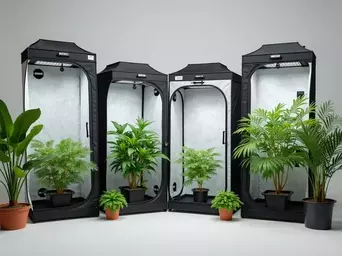 As the trend of indoor gardening flourishes, understanding how to choose the right grow tent is esse
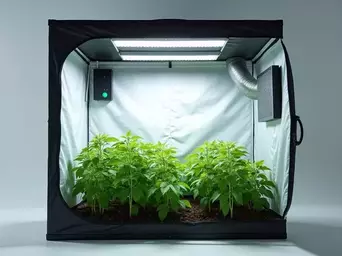 Did you know that efficient ventilation can significantly reduce your energy bills while promoting h
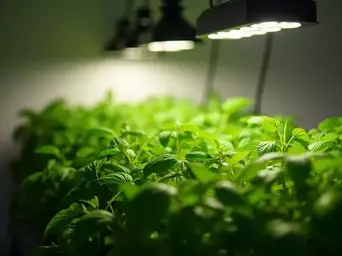 Effective lighting can elevate your indoor garden to new heights—are you ready to unlock its full