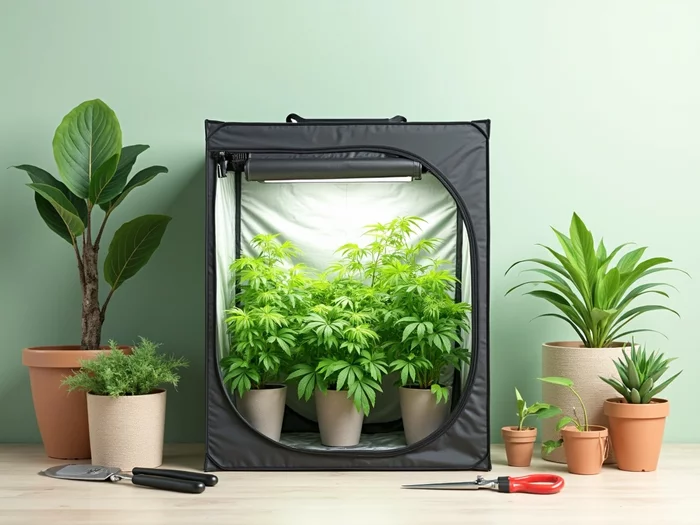
Small Grow Tents
Ideal for beginners or limited spaces.
- Dimensions: 2x2, 3x3 feet
- Plant Count: 1-4 small plants
- Best Uses: Seedlings, small herbs
Posted on: 2025-10-12
By: Elena Cross
Choosing the right grow tent is more than just a decision about size; it's about creating a thriving environment for your plants. Did you know that the right size tent can significantly enhance plant health and yield? Let’s dive into the crucial aspects of grow tent sizes that every indoor gardener should know.
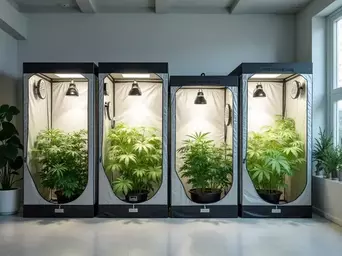
Below is a quick guide to help you choose the right grow tent size based on your space and plant count needs, ensuring optimal growth and yield.
Ideal for beginners or limited spaces.
Balances space and yield potential.
For commercial or advanced setups.
Choosing between soil and hydroponics.
When diving into the world of indoor gardening, understanding grow tent sizes is crucial. A grow tent acts as a controlled environment for your plants, and the size you choose can significantly affect their health and productivity. Think of it as setting the stage for your gardening success!
Each grow tent dimension serves a unique purpose, accommodating different setups, plant types, and the number of plants you wish to nurture. So, let’s explore how to navigate this essential aspect of indoor gardening!
Grow tent sizes refer to the physical dimensions of the tent, generally measured in width, depth, and height. Common sizes include small (like 2x2 feet), medium (4x4 feet), and large (5x5 or bigger). Understanding these sizes helps you select a tent that not only fits your space but also meets your gardening needs. It's essential to recognize that more than just fitting into your room, the size of your grow tent can dictate the success of your indoor garden.
By knowing your options, you can make an informed decision that fosters plant growth effectively!
The size of your grow tent impacts various factors such as plant health, yield, and overall efficiency. A tent that’s too small might crowd your plants, leading to stunted growth or disease due to insufficient airflow. On the other hand, a tent that’s too large can waste energy and resources, making it harder to maintain an optimal environment.
As someone who has navigated these choices myself, I can assure you that the right size tent can enhance your gardening experience and boost your plants’ performance. It's not just about fitting plants in a tent—it's about creating a thriving ecosystem!
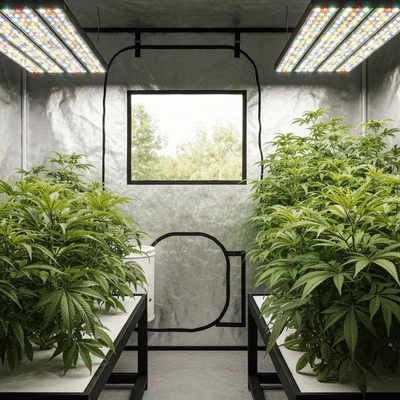
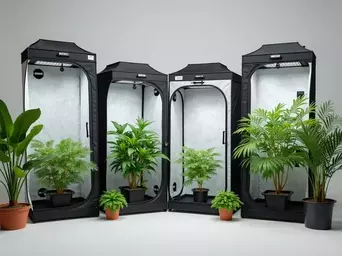
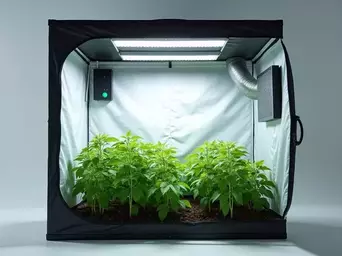
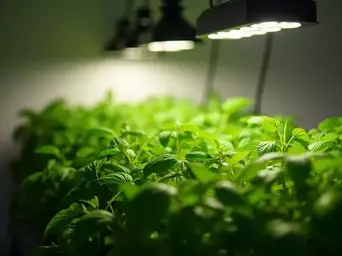
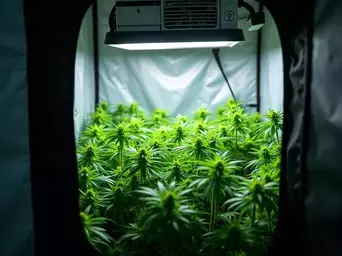
Small grow tents, typically measuring around 2x2 or 3x3 feet, are excellent for beginners or those with limited space. These compact tents can usually accommodate 1-4 small plants, depending on the setup. They’re perfect for testing the waters in indoor gardening without committing to a larger space.
Starting small allows you to hone your skills while keeping things manageable. You can grow a few herbs or even a small tomato plant, giving you a taste of success before expanding!
For optimal growth in small tents, consider plants that thrive in compact spaces. Here are a few recommendations:
Choosing the right plants for your small tent will ensure that they flourish without competing for resources. By focusing on these plant types, you can create a lush, productive indoor garden in no time!
Medium grow tents, like the 4x4 size, offer a great balance between space and yield potential. They can comfortably house 4-8 plants, making them suitable for hobbyists who want to experiment with a variety of crops. This size is a popular choice for many indoor gardeners looking to expand their capabilities while maximizing productivity.
With a medium tent, you can start practicing more advanced techniques like training and pruning, allowing you to explore your gardening creativity!
Maximizing your medium tent’s space involves thoughtful plant arrangement. Here are some guidelines to help you:
By following these tips, you can create an efficient layout that promotes healthy growth and maximizes your yield!
For more serious indoor gardeners, large grow tents, such as sizes 5x5 and 6x6, provide expansive space ideal for commercial setups or advanced hobbyists. These tents can accommodate 8-16 plants or more, depending on your setup. With ample room, you can cultivate larger crops or even dedicate sections to different strains.
Large tents not only allow for more plants but also enable you to experiment with diverse growing methods, like hydroponics or soil mixes!
When using a large grow tent for high-yield crops, keep these best practices in mind:
These considerations can significantly enhance your yield and plant health, making your large grow tent a thriving space for growth!
When selecting your grow tent size, consider not only your current plant count but also your future gardening ambitions. A slightly larger tent may seem like a bigger investment initially, but it can give you the flexibility to expand your indoor garden as your skills and interests grow. This approach not only saves you the hassle of upgrading later but also allows for experimentation with new plant varieties or growing techniques!
When diving into the world of indoor gardening, selecting the right grow tent is crucial for achieving success. As someone who has spent countless hours researching, I've learned that comparing grow tent features and quality is just as important as the size of the tent itself. The right materials and features can significantly impact your growing experience, so let’s break down what you need to know!
First, let’s talk about the materials used in grow tents. You'll typically find options made from mylar, canvas, or Oxford cloth. Each material has its own benefits:
In addition to the material, consider the tent's construction. Look for sturdy zippers, reinforced seams, and a solid frame—these features ensure your tent can withstand the rigors of indoor gardening. For a more comprehensive understanding of grow tent setups, you can refer to this Grow Tent Setup Guide.
When setting up your grow tent, energy efficiency should also be on your radar. Larger tents often require more lighting and ventilation, which can increase energy costs. Here are some points to consider:
Understanding these factors can help you keep your operating costs down while creating an optimal environment for your plants.
Your choice of grow medium can dramatically affect your plants' health and yield. You can choose between traditional soil or hydroponic systems. Each has its pros and cons:
Think about what works best for your gardening goals and comfort level. Personally, I enjoy experimenting with both methods in my own indoor garden, and I’ve seen fantastic results with hydroponic setups!
Here is a quick recap of the important points discussed in the article: