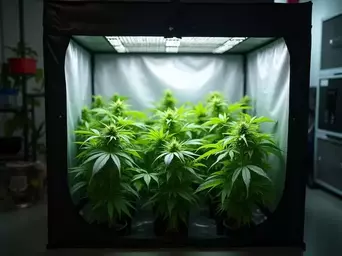
Did you know that adjusting the intensity of your grow lights can significantly impact the health and yield of your plants? Understanding how to dim grow lights is a game-changer for indoor gardeners.
What You Will Learn
Dimming grow lights allows customization of light levels based on the specific growth stages of plants.
Adjusting light intensity can improve photosynthesis efficiency and reduce risks of light burn.
Dimming contributes to energy savings and minimizes heat production, creating a more stable environment.
Tailored light conditions can support sensitive plants, promoting healthier growth and resilience.
Effective dimming strategies encourage optimal plant growth and maximize yields in indoor gardens.
Grow Light Dimming Benefits & Practices
Unlock optimal plant growth by understanding the key benefits and smart practices of dimming your grow lights.
Why Dimming Matters for Growth
Improved photosynthesis efficiency
Reduced risk of light burn
Enhanced overall plant health
Core Benefits of Dimming LED Grow Lights
Energy Savings: Reduced electricity usage and heat production.
Sensitive Plants: Supports seedlings and young plants, preventing stress.
Heat Management: Cooler environment, less need for ventilation.
Key Takeaways for Growers
Utilize dimmable LED lights
Implement consistent dimming schedules
Monitor environmental factors
Familiarize with plant-specific light needs
Smart Dimming Practices
Start with lower light for seedlings
Gradually increase light as plants mature
Use a light meter for accurate adjustments
Incorporate adjustable light fixtures
Understanding the Importance of Grow Light Dimming for Plant Health
As an indoor gardener, you know that getting the right amount of light for your plants is crucial. But have you considered how adjusting the intensity of your grow lights can impact their growth? This is where dimming comes into play! In this section, we'll explore why dimming your grow lights is essential for optimal plant health and how it can enhance your gardening experience.
Dimming grow lights allows you to customize the light conditions according to the specific needs of your plants at different growth stages. Whether you're nurturing seedlings or preparing for the flowering stage, understanding the importance of light intensity will help you make informed decisions that lead to thriving plants.
Why Dimming Grow Lights Matters for Optimal Plant Growth
Plants require different light intensities at various stages of their development. By dimming your grow lights, you can ensure that each plant receives the appropriate light level, avoiding the stress that can come from too much brightness. This tailored approach fosters healthier growth and maximizes yield! Research on LED lighting strategies in plant cultivation further supports the benefits of customized light environments for plant development.
Improved photosynthesis efficiency
Reduced risk of light burn
Enhanced overall plant health
When you adjust the light levels, you're also giving your plants a chance to adapt, promoting a stronger and more resilient growth pattern.
Benefits of Dimming LED Grow Lights
Dimming LED grow lights offers several advantages that can significantly impact your indoor gardening. Here are some key benefits you won’t want to overlook:
Energy Savings and Heat Reduction: Dimming your lights can cut down on electricity usage and minimize heat production, creating a more stable growing environment.
Supporting Sensitive Plants During Growth Stages: Some plants, especially seedlings, thrive in softer light. Dimming allows you to cater to these needs without sacrificing growth.
By leveraging these benefits, you not only enhance plant health but also contribute to a more sustainable gardening practice. It’s a win-win!
Energy Savings and Heat Reduction
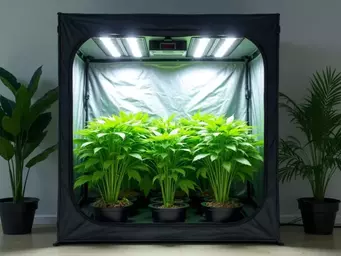
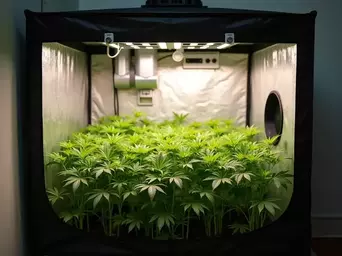
One of the most practical reasons for dimming your grow lights is the potential for energy savings. Lowering the intensity can mean reduced electricity bills while helping maintain a cooler environment. This is especially important in tightly sealed grow tents, where excess heat can lead to stress on your plants.
Additionally, a cooler environment means you won’t have to invest as much in ventilation systems, allowing you to allocate those resources elsewhere in your garden.
Supporting Sensitive Plants During Growth Stages
Young plants and seedlings are particularly sensitive to light. Too much intensity can lead to stunted growth or even damage. By dimming your lights during these critical stages, you create a more favorable environment for them to thrive. This tailored approach can lead to successful early growth and improve overall plant resilience! For more insights into how varied light conditions affect plant growth, consider exploring resources like Frontiers in Plant Science.
The Role of Light Spectrum in Dimming and Plant Photosynthesis
Understanding the light spectrum is essential when considering dimming. Different wavelengths affect photosynthesis in various ways, so adjusting the intensity can help you fine-tune the light spectrum your plants receive. This is crucial for maximizing growth potential! For a comprehensive guide on LED grow lights and their applications in plant production, refer to this resource from Oklahoma State University Extension.
By dimming your lights, you can manage the balance between blue and red light, supporting essential processes like flowering and vegetative growth. As you become more familiar with your plants’ needs, you’ll find it easier to adjust the spectrum accordingly.
Pro Tip
To maximize the benefits of dimming your grow lights, consider investing in a quality dimmable LED system. This allows you to easily adjust both intensity and spectrum, ensuring your plants receive optimal light tailored to their specific growth stages. Regularly monitor your plants' responses and adjust accordingly for best results!
Summarizing the Benefits of Grow Light Dimming
As you embark on your indoor gardening journey, it’s crucial to understand the significant impact that dimming grow lights can have on your plants. Whether you’re nurturing seedlings or mature plants, adopting proper dimming techniques can lead to healthier growth and improved yields. Here are some essential benefits to keep in mind:
Reduces Stress: Dimming helps prevent light stress on sensitive plants, especially during crucial growth stages.
Energy Efficiency: By adjusting light intensity, you can save on electricity bills while still providing adequate light for your plants.
Heat Management: Lowering light intensity can help reduce the heat output of your grow lights, maintaining a stable environment for your plants.
Promotes Balanced Growth: Different growth phases require varying light intensities; dimming allows you to cater to those specific needs.
At Grow Tent Insider, we emphasize that understanding and implementing these benefits is key to achieving optimal results in your indoor garden. It’s not just about “turning the lights on”—it’s about smart, thoughtful management of light to meet your plants' needs effectively.
Key Takeaways for Home and Commercial Growers
Whether you’re a hobbyist or running a larger operation, recognizing the advantages of grow light dimming can transform your approach to indoor gardening. Below are some key takeaways to enhance your practices:
Utilize dimmable LED lights to adjust light levels easily based on plant requirements.
Implement a consistent dimming schedule that corresponds to your plants' growth stages.
Monitor environmental factors, such as temperature and humidity, alongside light adjustments to maintain balance.
Familiarize yourself with your plants' specific light requirements to make informed decisions about dimming.
By incorporating these takeaways into your routine, you’ll not only promote better plant health but also cultivate a more efficient growing environment.
Encouraging Optimal Plant Growth Through Smart Dimming Practices
Smart dimming isn’t just a trend; it's a necessity for serious indoor gardeners. By using strategic dimming practices, you'll encourage vigorous growth and maximize your indoor garden's potential. Here are some smart practices to implement:
Start with lower light intensities during the seedling stage to avoid shock.
Gradually increase light as plants mature, ensuring they adapt smoothly.
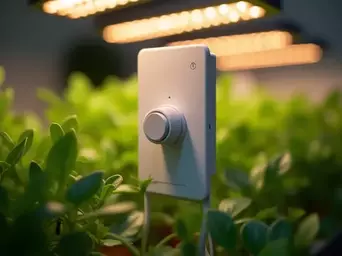
Consider using a light meter to measure and adjust light levels accurately.
Incorporate adjustable grow light fixtures that allow for easy height changes.
These practices will ensure your plants receive just the right amount of light at each stage, fostering a thriving indoor garden!
Taking Action: Implementing Dimming Strategies for Your Plants
Creating Your Personalized Dimming Schedule
Now that you understand the benefits and smart practices associated with grow light dimming, it’s time to take action! Developing a personalized dimming schedule tailored to your plants' specific needs is crucial.
Identify the growth stages of your plants: seedlings, vegetative, and flowering.
Determine the ideal light intensity for each stage based on plant type.
Set specific light duration and intensity levels for each stage to follow consistently.
With your schedule in place, you can confidently manage the light your plants receive, ensuring they flourish throughout their growth journey!
Continuously Monitoring DLI and Adjusting for Optimal Results
Monitoring the Daily Light Integral (DLI) is essential for achieving optimal plant results. Here’s how to effectively manage it:
Use a light meter to track the amount of light your plants receive daily.
Adjust your light intensity and duration based on DLI readings, ensuring they align with your plants’ needs.
Regularly assess environmental conditions and adjust lighting as necessary to maintain optimal growth conditions.
By continuously monitoring DLI, you can make informed adjustments to your dimming practices, leading to healthier plants and bountiful harvests!
Leveraging Hydroponic Systems for Enhanced Light Management
If you're utilizing hydroponic systems, integrating light management strategies can further elevate your indoor gardening success. Here are a few ways to leverage your system effectively:
Utilize reflective surfaces to maximize light distribution across your plants.
Experiment with different light spectrums by adjusting dimming settings to see which best supports your plants' growth.
Incorporate automation systems that adjust light intensity based on real-time environmental factors.
By combining hydroponics with smart dimming strategies, you can create an optimal environment that supports robust plant growth, helping you achieve the indoor garden of your dreams!
Recap of Key Points
Here is a quick recap of the important points discussed in the article:
Dimming grow lights tailors light intensity to the specific needs of plants at various growth stages.
Adjusting light levels can improve photosynthesis, reduce light burn, and enhance overall plant health.
Dimming LED grow lights can lead to energy savings, reduced heat output, and a more stable growing environment.
A personalized dimming schedule can be developed by understanding each plant's growth stages and light requirements.
Monitoring Daily Light Integral (DLI) is crucial for optimal plant growth, allowing for informed adjustments to light intensity.
Frequently Asked Questions About Grow Light Dimming
Q: What are the main benefits of dimming grow lights?
A: Dimming grow lights offers several benefits, including improved photosynthesis efficiency, reduced risk of light burn, enhanced overall plant health, energy savings, and better heat management. It also allows for tailored light conditions that support sensitive plants during different growth stages.
Q: Why is dimming important for different plant growth stages?
A: Plants have varying light intensity requirements throughout their growth cycle. Dimming allows you to customize light levels for seedlings, vegetative growth, and flowering stages, preventing stress from excessive light and promoting optimal development.
Q: How does dimming LED grow lights contribute to energy savings?
A: Lowering the intensity of LED grow lights directly reduces electricity consumption. This not only decreases energy bills but also lessens heat production, which can reduce the need for extensive ventilation systems, leading to further savings.
Q: What is the Daily Light Integral (DLI) and why is it important to monitor?
A: Daily Light Integral (DLI) measures the total amount of photosynthetically active radiation (PAR) that plants receive over a 24-hour period. Monitoring DLI is crucial for ensuring plants get the right cumulative light exposure, preventing under- or over-lighting, and allowing for informed adjustments to dimming practices for optimal growth.
Q: What are some smart dimming practices for indoor gardeners?
A: Smart dimming practices include starting with lower light intensities for seedlings, gradually increasing light as plants mature, using a light meter for accurate adjustments, and incorporating adjustable grow light fixtures. Developing a personalized dimming schedule based on plant type and growth stage is also highly recommended.
2025-10-12
Setting Up Your First Grow Tent
Choosing to dive into indoor gardening can be a rewarding experience, but are you equipped with the