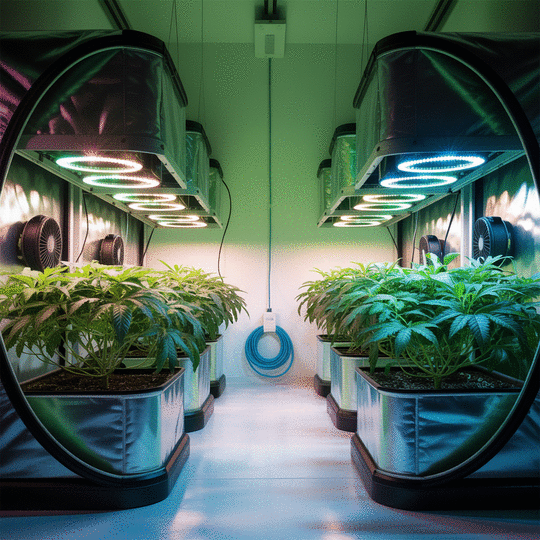
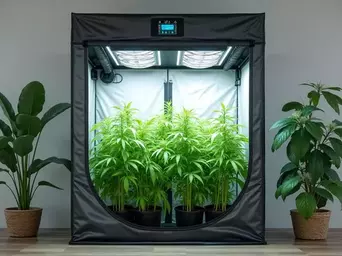
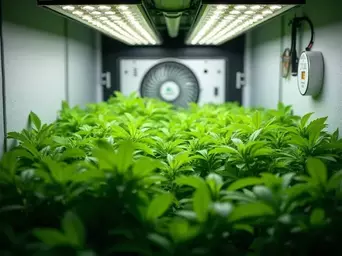
Selecting Grow Light Spectrum Wisely
Posted on: 2025-10-12
By: Elena Cross
When it comes to indoor gardening, understanding the grow light spectrum can truly transform your plants' health and productivity. The right light can make all the difference—let's explore how!
What You Will Learn
- The grow light spectrum includes visible light, infrared, and ultraviolet light, each playing a unique role in plant growth.
- Blue light is essential for vegetative growth, while red light triggers flowering and fruiting, impacting yield.
- Finding the right light intensity is crucial: too low can hinder growth, while too high can stress your plants.
- Understanding your plants' specific light requirements helps in selecting the appropriate grow lights for different stages of growth.
Key Light Spectrum Effects on Plant Growth Stages
Different grow light spectrums play specific roles in various plant growth stages. Understanding these effects helps optimize indoor gardening for healthier, more productive plants.
Understanding Grow Light Spectrum and Its Importance for Plant Growth
When it comes to indoor gardening, understanding the grow light spectrum can truly transform your plants' health and productivity. Have you ever wondered why some lights work better than others for different stages of growth? The right light spectrum can make all the difference, and I’m excited to dive into this topic with you!
The grow light spectrum refers to the specific wavelengths of light emitted by a grow light, which are essential for photosynthesis and overall plant health. It's fascinating to see how plants respond to various light wavelengths, and this knowledge can help you optimize your indoor garden setup. Let's explore this further!
What is Grow Light Spectrum?
Simply put, the grow light spectrum is the range of light wavelengths that plants can use for photosynthesis. Different wavelengths serve different purposes in plant growth, and understanding this can help you select the right lights for your garden.
- Visible Light: This includes the colors we see, mainly red and blue, which are crucial for photosynthesis.
- Infrared Light: Even though it's not visible, it plays a role in plant growth and can influence flowering and fruiting.
- Ultraviolet Light: While it can be harmful in high doses, UV light can also boost certain aspects of plant development. Research indicates that specific UV-B radiation can influence plant growth and development, as detailed in this study on UV radiation and plant responses.
By knowing these different types of light, you can create an environment that supports healthy growth throughout the various stages of your plants' lives!
The Role of Light Wavelengths in Plant Physiology
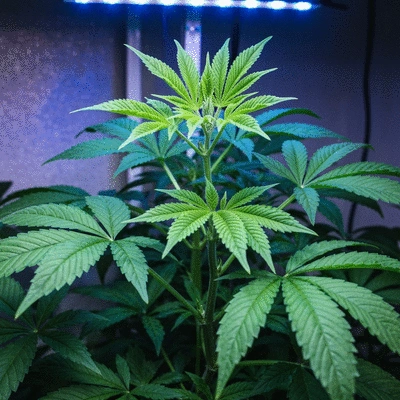
The specific wavelengths of light play a vital role in plant physiology. Each wavelength affects plants differently, influencing processes like photosynthesis, germination, and flowering. For instance, blue light is crucial for leaf growth, while red light is key for flowering. Further research into how distinct light spectra influence plant growth can be found in this comprehensive article on light quality and plant development.
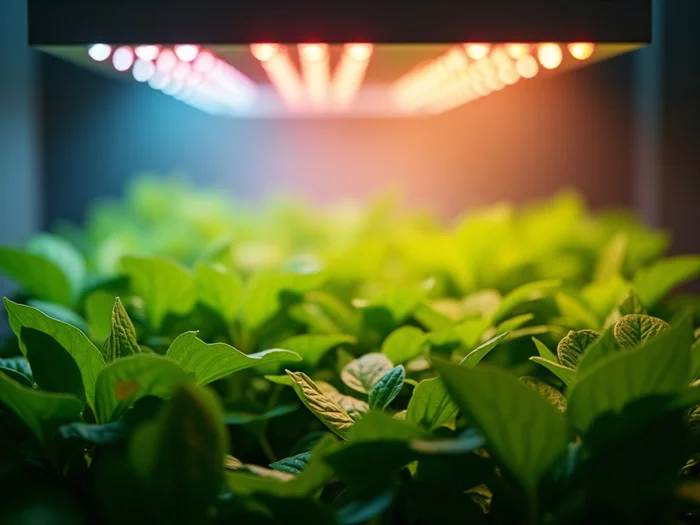
- Blue Light: Promotes vegetative growth and helps plants develop strong stems and leaves.
- Red Light: Triggers flowering and fruiting, leading to higher yields.
- Far-Red Light: Affects plant height and leaf expansion, making it important for certain developmental stages.
By understanding these roles, you can tailor your lighting setup for maximum impact. I’ve found that experimenting with light spectra can yield surprising results for your indoor garden!
Impact of Light Intensity on Photosynthesis and Plant Health
Light intensity is another critical factor that affects how well your plants grow. Too little light can hinder photosynthesis, while too much can lead to stress or damage. It’s all about finding that sweet spot!
- Low Intensity: May lead to slow growth and weak plants.
- Moderate Intensity: Ideal for most indoor plants, promoting healthy growth.
- High Intensity: Best for flowering and fruiting stages, but requires careful monitoring.
I've seen firsthand how adjusting light intensity can drastically improve plant health. Keeping an eye on your plants and their responses to light can guide you in making the right adjustments for a thriving indoor garden!
Pro Tip
To maximize the effectiveness of your grow lights, consider utilizing a light meter. This tool can help you measure the light intensity reaching your plants, ensuring they receive the optimal amount for healthy growth. Adjusting your light placement based on these measurements can lead to significant improvements in your plants' health and productivity!
Summarizing Best Practices for Selecting Grow Light Spectrum
As indoor gardeners, selecting the right grow light spectrum is essential for the health and productivity of our plants. Understanding the various wavelengths and their specific impacts can transform your indoor gardening experience. Here are some key takeaways to help you make informed decisions:
- Know Your Plants: Different plants have varying light requirements. Research specific needs for your favorites!
- Balance Between Blue and Red Light: Utilize a mix to promote both healthy vegetative growth and vibrant flowering.
- Measure Light Intensity: Ensure your plants receive adequate light without causing stress or burning.
- Consider Full-Spectrum Options: These provide a broader range of wavelengths, closely mimicking natural sunlight.
By keeping these best practices in mind, you can tailor your lighting setup to meet your plants' specific growth stages and maximize their potential!
Frequently Asked Questions (FAQs) About Grow Light Spectrum
- What is the grow light spectrum?
- The grow light spectrum is the range of light wavelengths (visible, infrared, and ultraviolet) that plants utilize for photosynthesis and overall development.
- Why are blue and red light important for plants?
- Blue light promotes vegetative growth, leading to strong stems and lush leaves. Red light is crucial for triggering flowering and fruiting, which increases yields.
- How does light intensity affect plant growth?
- Light intensity determines the rate of photosynthesis. Too little light can stunt growth, while too much can cause stress or damage to plants. Optimal intensity is key for healthy development.
- What is the role of far-red light?
- Far-red light influences plant height and leaf expansion, contributing to the overall structure and development of the plant.
- Should I use full-spectrum grow lights?
- Full-spectrum grow lights are often recommended because they provide a broad range of wavelengths that closely mimic natural sunlight, supporting comprehensive plant health throughout all growth stages.
Recommended Products and User Experiences
At Grow Tent Insider, we've extensively tested various grow lights, and I'm excited to share some top recommendations based on user feedback and personal experience:
- Phlizon 600W LED Grow Light: Great for beginners, this light offers both blue and red spectrums, making it a versatile choice for all stages.
- Viparspectra Reflector Series: Users love its energy efficiency and effective heat dissipation, perfect for smaller grow tents.
- Spider Farmer SF Series: A full-spectrum LED light that has received rave reviews for promoting healthy plant growth.
Each of these products has shown positive results for fellow growers, making them reliable options to consider for your indoor garden!
Integrating Light Budget and Heat Output into Your Setup
When selecting a grow light spectrum, it's not just about the wavelengths. You also need to consider your budget and the heat output of the lights. Here are some tips to keep in mind:
- Set a Budget: Determine how much you're willing to invest in your lighting setup and explore options within that range.
- Monitor Heat Output: High-intensity lights can generate excess heat, which may lead to temperature issues in your grow tent. Consider using fans or ventilation to manage this.
- Choose Energy-Efficient Options: LED lights often consume less power while providing the necessary spectrum, making them a great long-term investment!
By carefully considering these aspects, you can create an efficient lighting system that supports your plants while being mindful of your resources!
Recap of Key Points
Here is a quick recap of the important points discussed in the article:
- Understand the Grow Light Spectrum: Recognize the importance of visible, infrared, and ultraviolet light for plant health.
- Light Wavelengths Matter: Utilize blue light for vegetative growth and red light for flowering to optimize growth stages.
- Monitor Light Intensity: Adjust light intensity to avoid stress and maximize photosynthesis.
- Choose the Right Spectrum: Consider full-spectrum lights to replicate natural sunlight for better plant growth.
- Budget and Heat Management: Balance your lighting budget while managing heat output for an efficient setup.
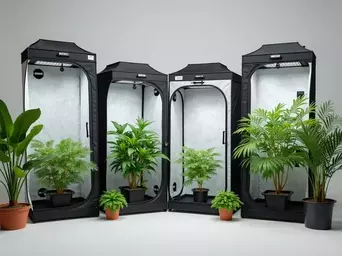 As the trend of indoor gardening flourishes, understanding how to choose the right grow tent is esse
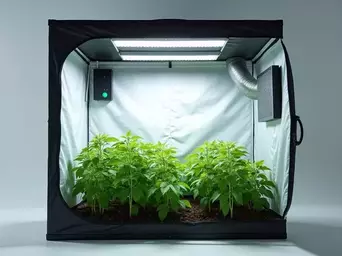 Did you know that efficient ventilation can significantly reduce your energy bills while promoting h
 Effective lighting can elevate your indoor garden to new heights—are you ready to unlock its full