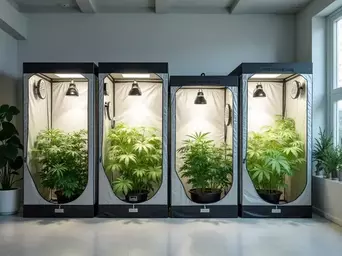
Did you know that the right setup can dramatically increase your indoor garden's productivity? Understanding how to effectively use grow tents is essential for any aspiring indoor gardener. Let’s explore the key insights that will elevate your indoor gardening game!
What You Will Learn
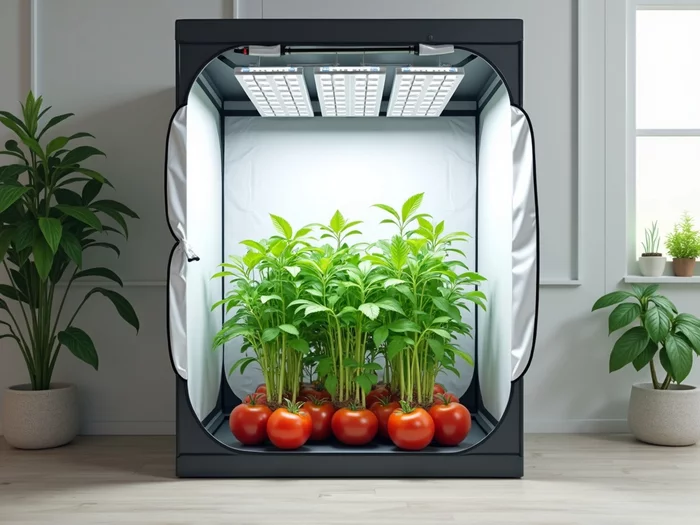
A grow tent creates a controlled environment, allowing you to grow plants indoors regardless of the external weather conditions.
Key components of a grow tent include frames for support, reflective liners for light efficiency, and ventilation ports for airflow management.
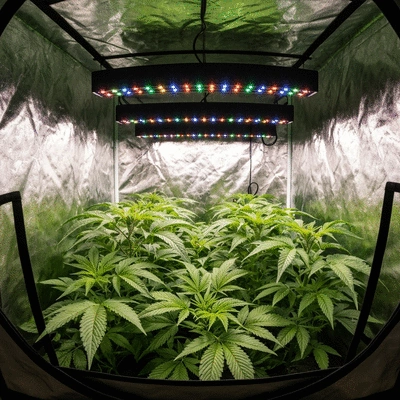
Understanding the light spectrum is crucial; different wavelengths promote various growth stages in plants, from vegetative to flowering.
Regular maintenance, including cleaning and inspecting equipment, is vital for preventing common issues such as light leakage and humidity fluctuations.
Effective odor control can be achieved with properly sized carbon filters, ensuring your indoor garden remains discreet and pleasant.
Key Components and Maintenance of Grow Tents
Understanding the essential parts of a grow tent and how to maintain them is crucial for a successful indoor garden. Below is a visual summary of the key components and common maintenance practices.
Essential Grow Tent Components
Frames
Sturdy structure for support of tent, lights, fans, and plants.
Reflective Liners
Mylar materials maximize light usage efficiency for plants.
Different wavelengths for vegetative (blue) and flowering (red).
Common Issues & Solutions
Light Leakage
Seal seams and zippers with black tape.
Odor Control
Verify carbon filter function, consider upgrade.
Humidity Issues
Check vents, add a dehumidifier if needed.
Pest Intrusions
Regularly inspect, use natural remedies or insecticidal soap.
Maintenance Best Practices
Clean Surfaces
Wipe down interior with mild detergent and water.
Replace Filters
Change carbon filters every 6-12 months.
Inspect Equipment
Check lights, fans, and gear for wear/malfunction.
Organize Gear
Keep tools stored neatly to avoid clutter.
Understanding the Basics of Grow Tents and Their Functionality
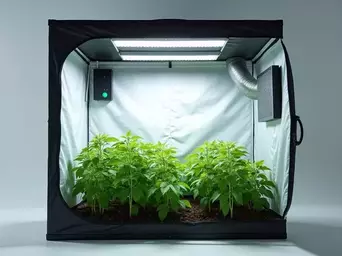
Whether you’re just starting out or looking to expand your indoor gardening setup, understanding the fundamentals of grow tents is crucial. A grow tent is like a portable greenhouse that creates a controlled environment for your plants. This means you can grow a variety of plants indoors, regardless of the weather outside. For more information on indoor growing basics, you can refer to resources from the Penn State Extension. But how does it work? Let’s dive into the details!
What is a Grow Tent and How Does It Work?
At its core, a grow tent is a fabric structure that houses your plants. It’s designed to reflect light, maintain temperature, and manage humidity levels, creating the optimal growing conditions for your indoor garden. The reflective material inside the tent amplifies the light from grow lamps, ensuring your plants receive the energy they need to thrive. The U.S. Forest Service also highlights the benefits of grow tents in controlled environments.
When I first started my indoor gardening journey, I was amazed by how much easier it became once I set up a grow tent! Not only did it help keep everything organized, but it also protected my plants from pests and outside elements. That’s the beauty of a grow tent—control over your gardening environment!
The Key Components of a Grow Tent
To get the most out of your grow tent, it’s essential to understand its key components. Here are the parts that make a grow tent work effectively:
Frames: The sturdy structure that supports the tent and its contents.
Reflective Liners: These maximize light efficiency by directing more light onto your plants.
Ports and Ventilation: Crucial for maintaining airflow and regulating temperature.
Frames: The Structural Backbone
The frame of a grow tent is typically made from metal or durable plastic. This structural element is what holds everything together and supports the weight of lights, fans, and plants. It’s crucial to select a tent with a robust frame to avoid any accidents or collapses during your grow cycle!
Reflective Liners: Maximizing Light Efficiency
Reflective liners are often made from materials like Mylar. They help to bounce light back onto your plants, ensuring every bit of energy is used efficiently. When I chose my grow tent, I made sure the reflective material was top-notch—this small detail can significantly impact plant growth!
Ports and Ventilation: Ensuring Airflow and Temperature Control
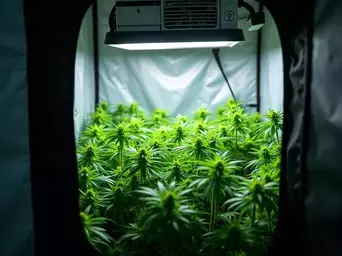
Proper ventilation is vital for a healthy indoor garden. Grow tents usually come with multiple ports for fans, filters, and cables. This setup allows for adequate airflow, which helps keep your plants happy and prevents issues like mold and heat stress. Remember, a well-ventilated grow tent can make a world of difference!
The Role of Grow Light Spectrum in Plant Growth
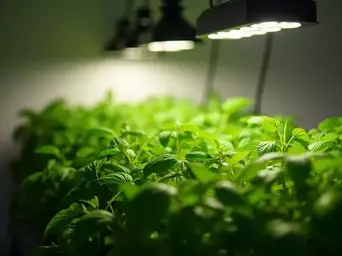
Another essential aspect of successfully using a grow tent is understanding the light spectrum. Plants require different wavelengths of light at various growth stages. For instance, blue light promotes vegetative growth, while red light encourages flowering. By selecting the right grow lights, you can effectively mimic sunlight and enhance your plants’ growth. The USDA Agricultural Research Service provides extensive resources on indoor growing techniques, including optimal light conditions.
When I first experimented with different light spectrums, I noticed an incredible difference in how my plants thrived. It became evident that paying attention to light quality was just as important as anything else in my setup!
Pro Tip
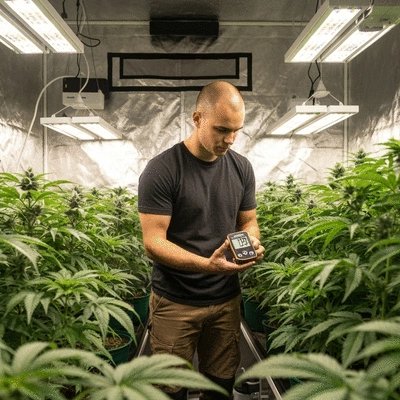
When setting up your grow tent, consider investing in a quality hygrometer and thermometer. These tools will help you monitor the humidity and temperature levels inside your tent, ensuring your plants receive the optimal environment for growth. Keeping an eye on these factors can prevent common issues like mold and heat stress, ultimately leading to healthier plants and better yields!
Maintaining Your Grow Tent: Troubleshooting and Care
Once you’ve set up your grow tent, it’s important to keep it in top shape! Regular maintenance not only prolongs the life of your tent but also ensures a healthy environment for your plants. Let’s dive into some common issues you might face and how to resolve them, along with best practices for cleaning and long-term care.
Common Issues and How to Resolve Them
Like any setup, your grow tent may encounter a few bumps along the way. Identifying problems early can save you a lot of frustration later. Here are some common issues and their solutions:
Light Leakage: Check the seams and zippers. You can use black tape to seal any gaps.
Odor Control: If strong smells are seeping out, ensure your carbon filter is functioning properly or consider upgrading to a stronger one.
Humidity Issues: If humidity levels fluctuate, it may be time to check your vents or add a dehumidifier.
Pest Intrusions: Regularly inspect your plants for pests and use natural remedies or insecticidal soap as needed.
By keeping an eye on these factors, you can maintain a thriving indoor garden without the headaches!
Cleaning and Long-Term Maintenance Best Practices
A clean grow tent is crucial for preventing diseases and pests. I can’t stress enough how important it is to keep everything tidy! Here are some best practices I follow to maintain my grow tent:
Regularly wipe down surfaces: Use a mild detergent and water solution to clean the interior.
Replace filters: Change out your carbon filters every 6-12 months, depending on usage.
Inspect equipment: Regularly check your lighting, fans, and other equipment for signs of wear or malfunction.
Organize your gear: Keep your tools and accessories neatly stored to avoid clutter and make maintenance easier.
These steps not only keep your tent clean but also ensure that your plants grow in a healthy environment.
Watering Techniques for Different Growth Stages
Watering can make or break your plants! Different growth stages require different watering techniques. Here’s a quick guide to keep your plants happy:
Seedlings: Use a spray bottle or light watering can to gently moisten the soil.
Vegetative Stage: Increase the amount of water, ensuring good drainage to avoid root rot.
Flowering Stage: Be mindful of overwatering, as this can lead to bud rot.
Understanding these stages can help you avoid common pitfalls and keep your garden thriving!
Managing Smell Control with Carbon Filters
Odor control can be a significant concern for indoor growers. Carbon filters are your best friends when it comes to keeping unwanted scents at bay. Here’s how I approach it:
Choose the right size: Ensure your carbon filter matches the size of your grow tent for optimal performance.
Placement matters: Position your filter near the exhaust area for maximum efficiency.
Regular replacements: Change your filter every 6-12 months to maintain effectiveness.
With these tips, you can ensure your indoor garden remains discreet and pleasant!
Frequently Asked Questions About Grow Tents
What is a grow tent?
A grow tent is a portable, enclosed fabric structure designed to create a controlled environment for growing plants indoors. It helps manage light, temperature, and humidity for optimal plant growth.
What are the essential components of a grow tent?
Key components include sturdy frames for support, reflective liners (like Mylar) to maximize light efficiency, and ventilation ports for airflow and temperature regulation.
How does grow light spectrum affect plants?
Different wavelengths of light promote various growth stages. Blue light is ideal for vegetative growth, while red light encourages flowering and fruiting.
How often should I clean my grow tent?
Regularly wiping down interior surfaces with a mild detergent and water is recommended to prevent pests and diseases. Carbon filters should be replaced every 6-12 months.
How do I control odors in my grow tent?
Carbon filters are highly effective for odor control. Ensure your filter is properly sized for your tent and placed near the exhaust. Replace it regularly to maintain effectiveness.
What are common issues in grow tents and their solutions?
Common issues include light leakage (seal with tape), humidity fluctuations (check vents, use a dehumidifier), pest intrusions (inspect regularly, use natural remedies), and odor control (verify/upgrade carbon filter).
Recap of Key Points
Here is a quick recap of the important points discussed in the article:
A grow tent creates a controlled environment for indoor gardening, reflecting light and managing temperature and humidity.
Key components of a grow tent include frames for structure, reflective liners for light efficiency, and ventilation ports for airflow.
Understanding light spectrum is vital; different wavelengths support various growth stages in plants.
Regular maintenance, including cleaning and inspecting equipment, is essential for a healthy growing environment.
Managing odor with carbon filters and monitoring humidity levels are crucial for successful indoor gardening.
2025-11-04
Grow Tent Brand Comparison Guide
As the trend of indoor gardening flourishes, understanding how to choose the right grow tent is esse
2025-11-01
Save Power with Smart Ventilation
Did you know that efficient ventilation can significantly reduce your energy bills while promoting h